
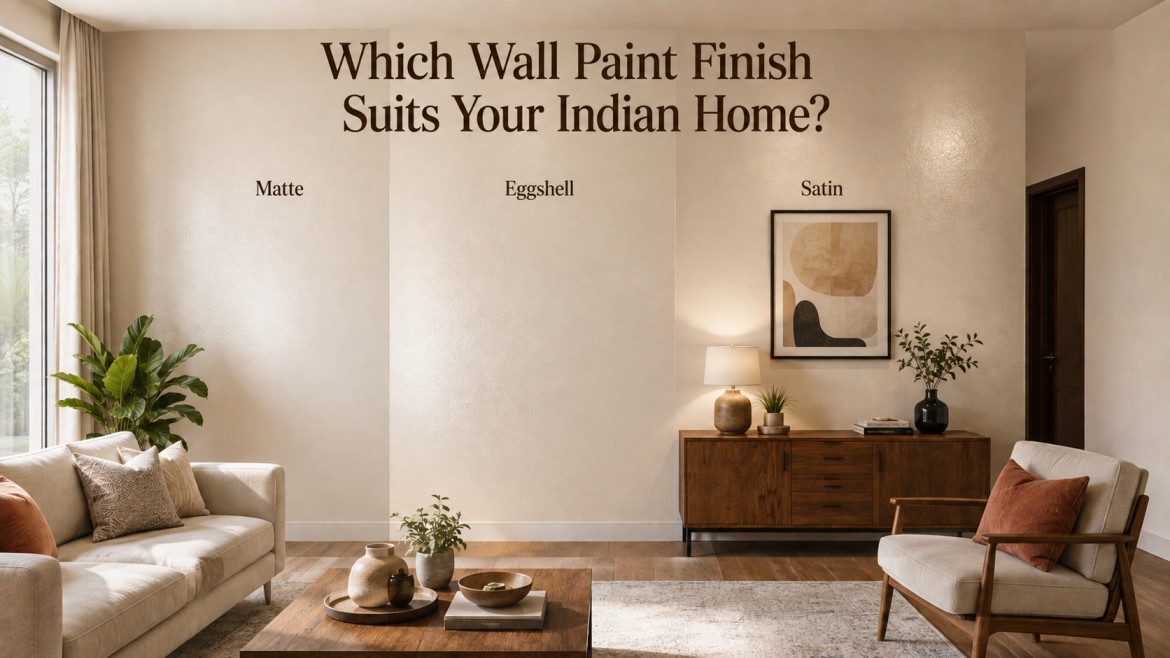
Choosing paint colour is the easy part. Deciding between the different types of wall paint finishes India homeowners can pick from is where most people get stuck. Matte, eggshell and satin all look similar on a colour card, yet they behave very differently once they’re on your wall.
The finish you choose affects how easily your walls collect fingerprints, how well they hide small dents, and how much cleaning they need through a humid Mumbai monsoon or a dusty Delhi summer. Getting this decision right saves you repainting costs and daily frustration.
This guide breaks down each finish in plain language, so you can pick with confidence.
Outline
- What Is a Wall Paint Finish?
- Why Selecting the Right Paint Finish Matters in Indian Homes
- Matte Paint Finish
- Eggshell Paint Finish
- Satin Paint Finish
- Matte vs Eggshell vs Satin: Comparison Table
- Best Paint Finish for Each Room
- How Wall Condition Affects Paint-Finish Selection
- How Lighting Changes the Appearance of Paint Finishes
- Common Mistakes Homeowners Should Avoid
- Furnofy Expert Recommendation
- Frequently Asked Questions
- Conclusion
- Furnofy Call to Action
What Is a Wall Paint Finish?
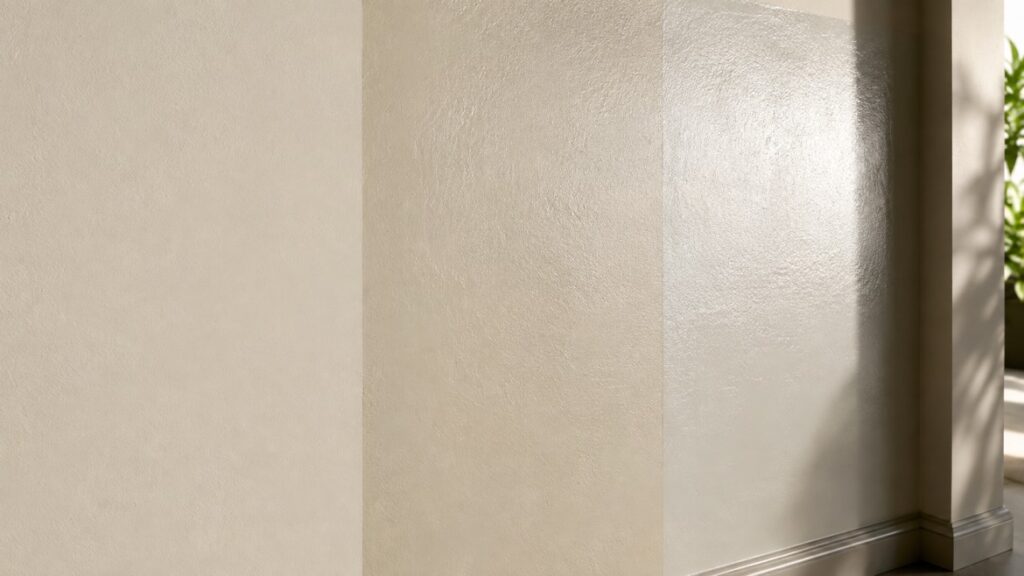
A paint finish, also called sheen, refers to how much light a painted surface reflects. It’s separate from colour. The same shade of white can look chalky in matte or gently glossy in satin.
Finish also determines durability. Higher-sheen paints generally form a tighter, more washable film. Lower-sheen paints sit flatter on the wall and disguise plaster imperfections better. Every finish, therefore, involves a small trade-off between looks and upkeep.
Why Selecting the Right Paint Finish Matters in Indian Homes
Indian homes face conditions that many international paint guides don’t account for. Coastal cities deal with humidity that can affect paint film over time. Dusty roads leave a fine layer on passage walls within weeks.
Kitchens see turmeric splashes and oil residue. Children’s rooms collect crayon marks and handprints near switchboards. Consequently, the right finish isn’t just an aesthetic choice — it’s a practical one tied to how your household actually lives.
Additionally, most Indian homes repaint every five to seven years. Selecting a finish suited to each room’s use can extend that cycle and keep walls looking fresh for longer.
Matte Paint Finish
Appearance
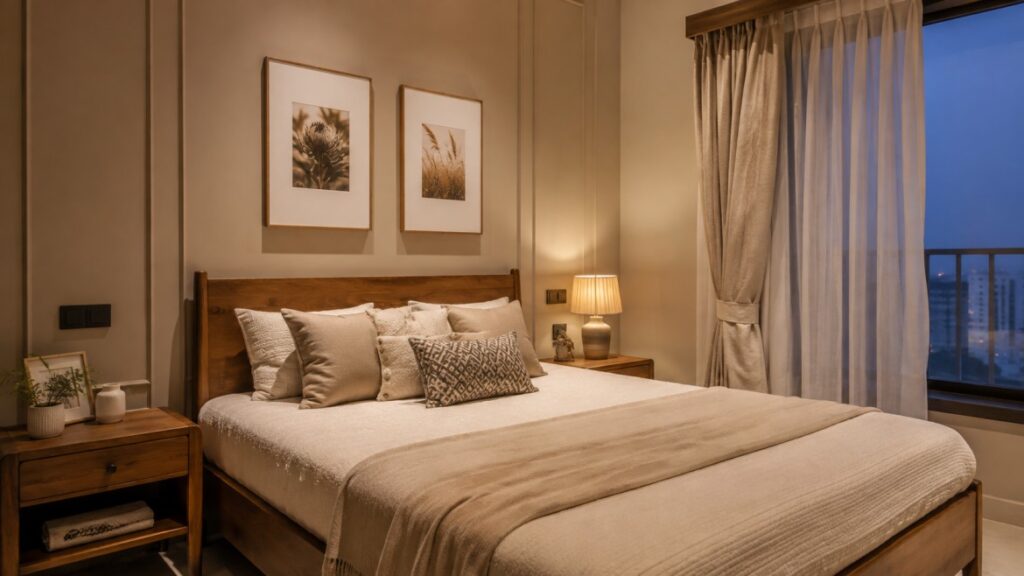
Matte paint has little to no shine. It absorbs light rather than reflecting it, giving walls a smooth, chalky, elegant look. Colours often appear richer and deeper in matte because there’s no glare to wash them out.
Advantages
Matte finishes hide minor wall imperfections such as hairline cracks, plaster unevenness or old patch repairs. This makes matte a practical choice for older buildings or walls that haven’t had a perfectly smooth plaster finish.
The soft, non-reflective look also suits low-light rooms, since matte doesn’t create harsh glare under artificial lighting.
Limitations
Matte paint is generally less washable than eggshell or satin. Scrubbing marks off a matte wall can sometimes leave a visible sheen difference or dull patch. As a result, matte isn’t ideal for surfaces that get touched often.
Best Rooms and Applications
Matte works well in bedrooms, formal living rooms, dining areas and ceilings. It’s a strong option for feature walls where a soft, non-glossy backdrop enhances artwork or textured furniture.
Eggshell Paint Finish
Appearance
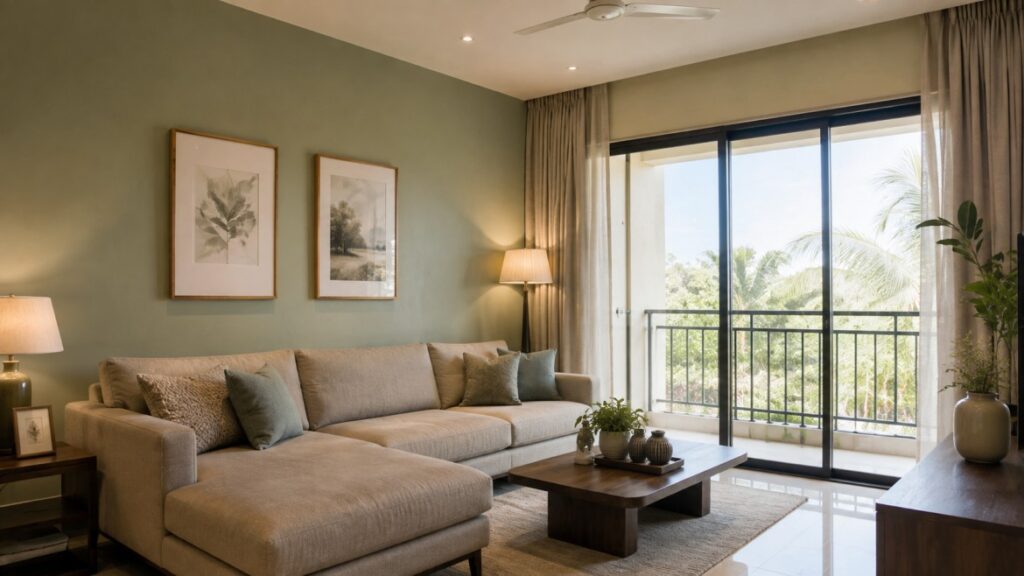
Eggshell sits between matte and satin. It has a subtle, low sheen, similar to the surface of an actual eggshell — hence the name. It’s smooth without being shiny.
Advantages
Eggshell paint finish for walls offers a balance most homeowners appreciate. It hides mild surface flaws reasonably well while still allowing occasional wiping for fingerprints or light smudges.
This finish also handles everyday wear better than matte, without the pronounced shine of satin. Therefore, it suits homes that want low maintenance without a glossy look.
Limitations
Eggshell isn’t as scrub-resistant as satin. Repeated hard cleaning, especially with abrasive sponges, can dull the sheen unevenly over time.
Best Rooms and Applications
Eggshell is a versatile, go-to option for living rooms, bedrooms, home offices and hallways. It’s often the safest default when you’re unsure which finish to pick for a whole-home repaint.
Satin Paint Finish
Appearance
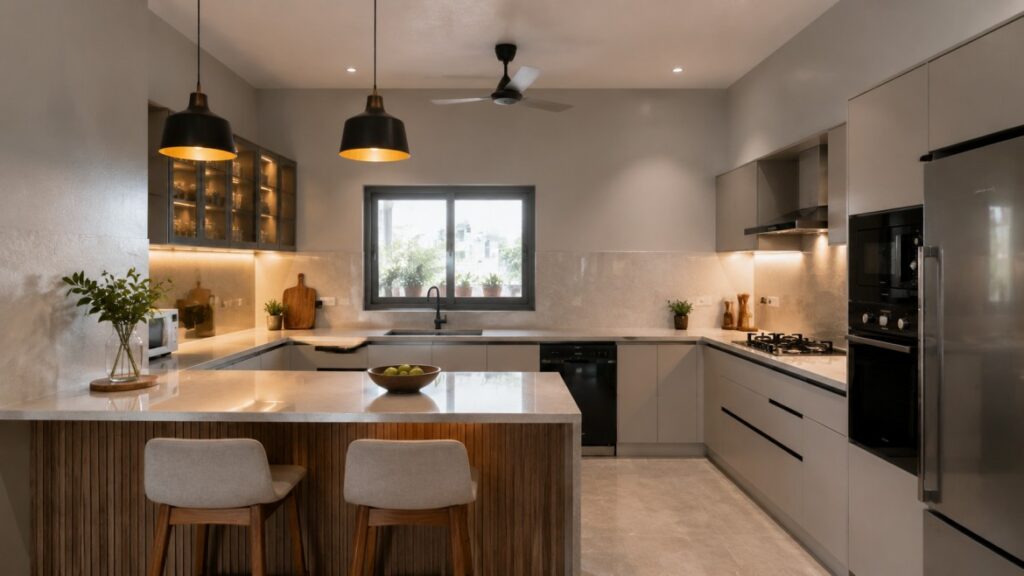
Satin has a noticeable, pearl-like sheen. It reflects more light than eggshell, giving walls a smoother, slightly polished appearance.
Advantages
Satin is a washable wall paint finish, making it ideal for surfaces that need frequent cleaning. It resists moisture better than matte or eggshell, which matters in India’s humid coastal regions and during monsoon months.
Fingerprints, cooking splatters and children’s crayon marks wipe off more easily from satin walls compared to lower-sheen options.
Limitations
Because satin reflects more light, it can highlight uneven plastering, dents or patch repairs. Surface preparation becomes more important before applying a satin finish.
Best Rooms and Applications
Satin suits kitchens, bathrooms, children’s rooms, passages and other high-traffic zones. It’s also a sensible choice for skirting, door frames and areas near switchboards.
Matte vs Eggshell vs Satin: Comparison Table
| Factor | Matte | Eggshell | Satin |
| Sheen level | None to very low | Low, subtle | Medium, noticeable |
| Durability | Moderate | Good | Very good |
| Washability | Limited | Moderate | High |
| Hides wall imperfections | Excellent | Good | Fair |
| Maintenance effort | Higher over time | Balanced | Lower, easy wipe-clean |
| Ideal rooms | Bedrooms, ceilings, formal living rooms | Living rooms, home offices, hallways | Kitchens, bathrooms, kids’ rooms, passages |
Best Paint Finish for Each Room
Living Room
Living rooms see guests, daily family activity and occasional spills. Eggshell is usually the best paint finish for living room walls, since it balances a soft look with reasonable cleanability. Households with young children or pets may prefer satin instead.
Bedroom
Bedrooms benefit from a calm, non-reflective look, especially under bedside lamps. Matte or eggshell both work as the best paint finish for bedroom walls, depending on how often the walls get touched.
Children’s Room
Children draw on walls, lean against them and leave handprints near light switches. Satin’s washability makes it a practical wall paint finish for kitchen-adjacent play areas and kids’ rooms alike.
Kitchen
Cooking oil, turmeric stains and steam make satin the strongest choice for a wall paint finish for kitchen walls. It wipes clean without absorbing grease into the paint film.
Bathroom
Bathrooms deal with humidity and splashes daily. A wall paint finish for bathroom walls should resist moisture, which makes satin, or a purpose-made bathroom paint, the sensible pick.
Passage and High-Traffic Areas
Corridors and stairwells collect dust, bag scuffs and shoe marks. Satin’s wipeability suits these zones better than matte or eggshell.
Ceiling
Ceilings rarely get touched, so washability matters less. Matte remains the standard choice, since it minimises glare from overhead lighting and hides minor plaster unevenness.
How Wall Condition Affects Paint-Finish Selection
Surface preparation affects the final appearance of any finish. A wall with visible patchwork, old nail holes or uneven plaster will show these flaws more under satin than under matte.
Before choosing a higher-sheen finish, it helps to have walls properly sanded, primed and levelled. If your walls have known imperfections and a full re-plaster isn’t planned, matte or eggshell will generally look neater.
How Lighting Changes the Appearance of Paint Finishes
Natural daylight, warm LED lighting and cool white tube lights each interact differently with a painted surface. Matte looks consistent across most lighting types, since it reflects very little.
Eggshell and satin, however, can appear shinier under direct sunlight or spotlighting than they do in a paint shop’s showroom. For this reason, it’s worth testing a sample patch on your own wall, at different times of day, before finalising a finish.
Common Mistakes Homeowners Should Avoid
Many homeowners choose one finish for the entire home without considering how each room is actually used. A single finish rarely suits both a kitchen and a formal living room equally well.
Others skip physical sample testing and rely only on a paint chart, which can look different once applied to an entire wall. It also helps to remember that paint-finish terminology and sheen levels can vary slightly between brands, so always check a physical sample under your home’s actual lighting before committing.
Finally, some homeowners choose the highest-sheen option purely for washability, without checking whether their wall surface is smooth enough to support it.
Furnofy Expert Recommendation
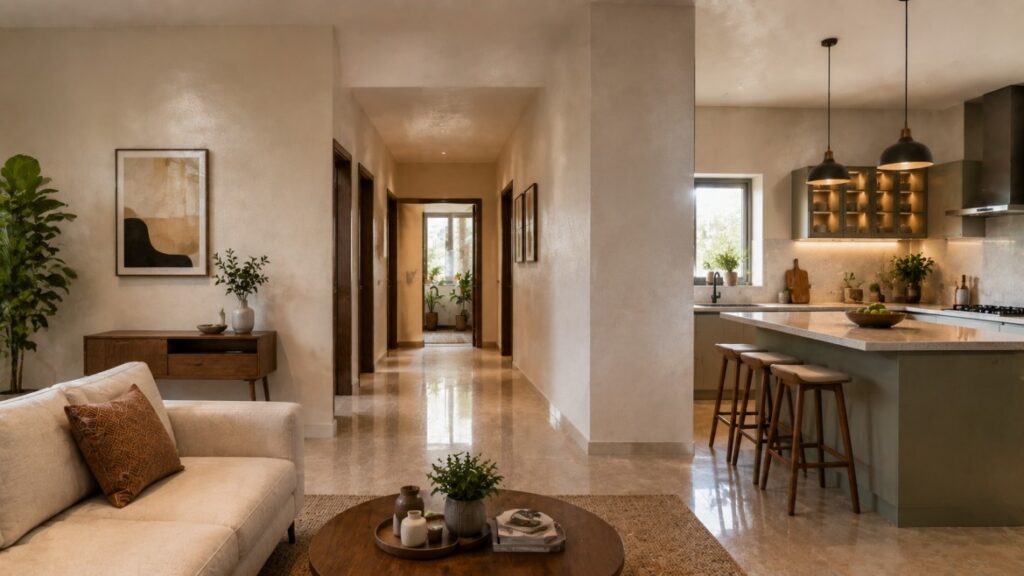
At Furnofy, we generally recommend mixing finishes within a single home rather than picking just one. Matte or eggshell for bedrooms and formal living rooms, paired with satin for kitchens, bathrooms and passages, tends to give the best combination of looks and low maintenance.
Furnofy’s interior design team helps homeowners coordinate paint finish alongside wall colour, lighting and furniture, so the final result feels planned rather than patched together.
FAQ’s
There isn’t one universal answer. Matte suits bedrooms and ceilings, eggshell works well for living rooms, and satin handles kitchens, bathrooms and high-traffic zones best, thanks to its washability.
Eggshell is often the middle ground, but satin suits households with children or pets who touch walls frequently. Matte suits quieter, low-traffic living rooms with smoother walls.
Eggshell offers moderate washability. It handles light fingerprints and smudges with gentle wiping, though it isn’t as scrub-resistant as satin.
Matte or eggshell both work well, since bedrooms see less direct contact than kitchens or passages. The choice often comes down to how reflective you want the walls to look under lamp light.
Satin is generally the easiest to wipe clean, making it a practical washable wall paint finish for kitchens, bathrooms and children’s rooms.
Yes. Satin’s higher sheen reflects more light, which can make dents, patches or uneven plastering more visible than they would appear under matte.
Satin generally performs better in humid conditions, since it resists moisture more effectively than matte or eggshell.
Yes, and it’s actually a common approach. Many Indian homes use matte or eggshell in bedrooms and living rooms, with satin reserved for kitchens, bathrooms and passages.
Conclusion
Understanding the different types of wall paint finishes India homeowners typically choose from makes repainting far less stressful. Matte hides imperfections but needs gentler cleaning. Eggshell offers balance for everyday living spaces. Satin trades some imperfection-hiding for strong washability, suiting kitchens, bathrooms and busy passages.
No single finish works everywhere in a home. The right approach usually combines two or three finishes across different rooms, matched to how each space is actually used.