
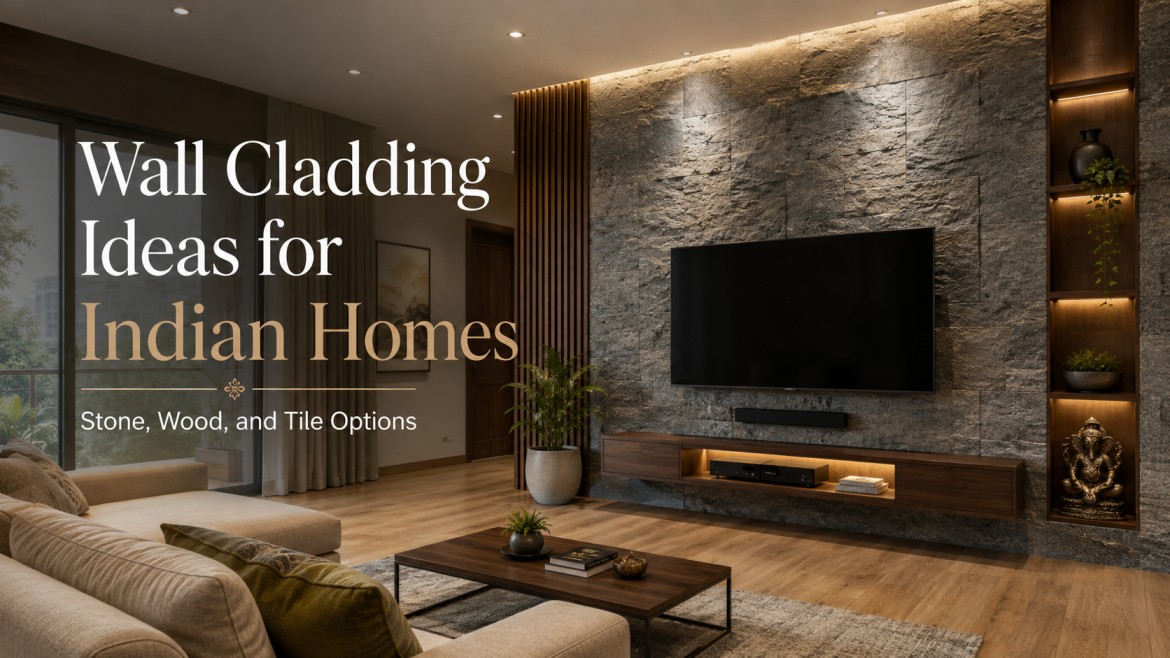
Plain painted walls no longer satisfy homeowners who want texture, warmth, and a genuine talking point in the living room. That’s why wall cladding ideas for home India searches have climbed steadily over the past two years, and the trend makes sense once you see it up close. Cladding hides uneven plaster, adds a layer of insulation, and turns a flat wall into a design feature within a weekend.
Outline
- What Is Wall Cladding, and Why Are Indian Homeowners Choosing It?
- Stone Wall Cladding Ideas for Home India
- Wooden Wall Cladding Ideas for Home India
- Tile Cladding Designs for Home India
- PVC and Other Low-Maintenance Cladding Options
- Wall Cladding Cost Comparison (Indicative)
- How to Choose the Right Wall Cladding for Your Home
- Furnofy’s Take: Cladding Trends We’re Seeing in 2026
- FAQ’s
What Is Wall Cladding, and Why Are Indian Homeowners Choosing It?
Wall cladding means fixing a decorative or protective layer over an existing wall instead of tearing it down and rebuilding it. Builders originally used cladding for exterior weatherproofing. Interior designers in India have since adapted the same technique for feature walls, TV units, staircases, and building entrances.
Three factors drive the shift toward cladding today. First, it hides construction flaws faster than replastering does. Second, it adds a layer of thermal and acoustic insulation, which matters given India’s mix of hot summers and noisy apartment buildings. Third, cladding photographs well, so homeowners increasingly plan rooms with resale value and social sharing in mind.
Stone Wall Cladding Ideas for Home India
Stone remains the classic choice for anyone chasing a premium, earthy look, and it continues to anchor most stone cladding for living room wall India searches.
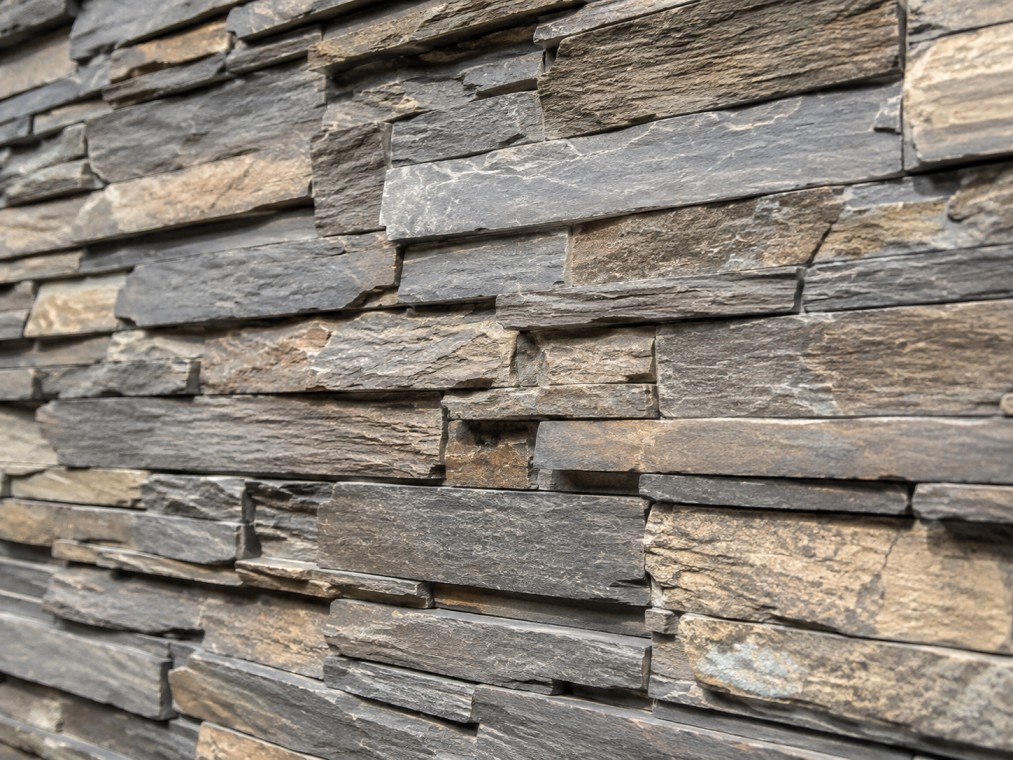
Natural stone cladding for living rooms
Slate, sandstone, and quartzite panels work particularly well behind a TV unit or sofa. The rough texture contrasts nicely with smooth flooring and contemporary furniture. Designers often pair a single stone accent wall with warm, layered lighting to add depth without overwhelming the rest of the room.
Cladding stone for staircases and entryways
A stone-clad staircase wall or entry foyer sets the tone the moment guests step inside. Grey and beige tones suit most Indian interiors, while darker basalt panels create a bolder, more dramatic entrance for larger homes.
Cost and maintenance of stone cladding
Natural stone cladding for home India typically costs more than tile or PVC because of quarrying, cutting, and skilled installation labour. That said, prices vary widely by region and stone type, so always confirm a current, site-specific quote with your supplier rather than relying on published averages. Stone needs occasional sealing to resist stains, but it otherwise lasts for decades with minimal upkeep.
Wooden Wall Cladding Ideas for Home India
Wood brings a warmth that stone and tile can’t fully replicate, which is why wooden wall cladding ideas continue to trend across Indian design blogs and mood boards.
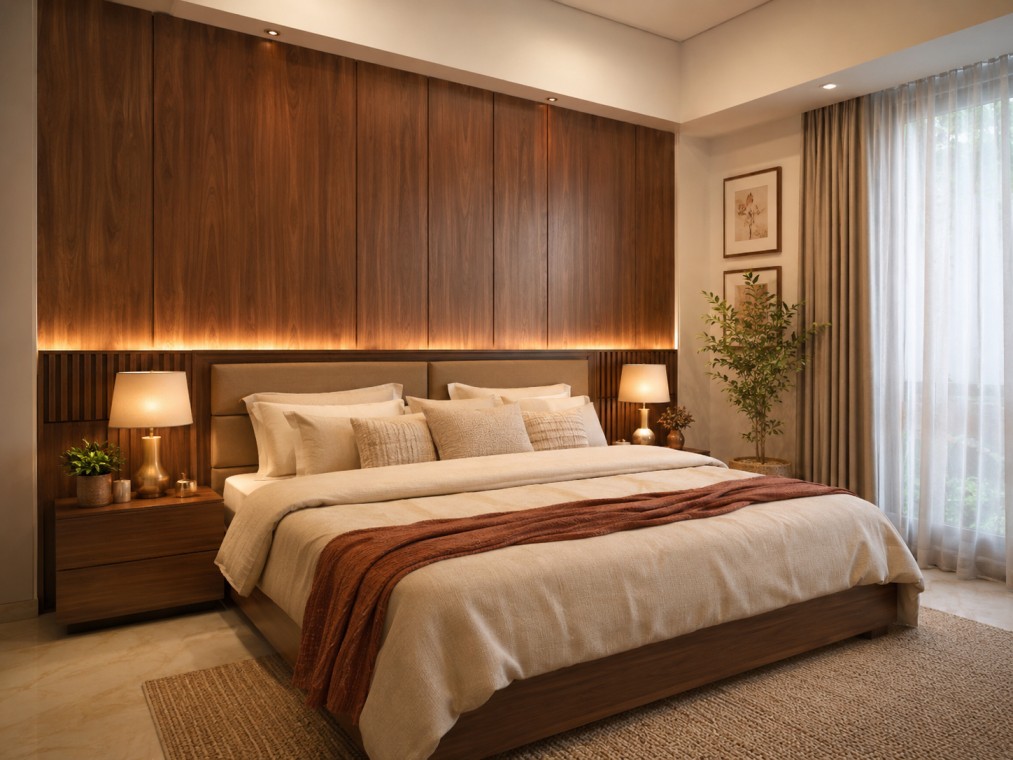
Engineered wood versus solid wood panels
Solid wood looks striking, but Indian humidity can warp it over time unless the installer treats it correctly. Engineered wood and WPC (wood-plastic composite) panels solve this problem because manufacturers design them specifically to resist moisture and termites. As a result, most urban homeowners now prefer engineered options for bedrooms, home offices, and study nooks.
Best rooms for wood cladding
Bedrooms benefit most from wood cladding because the material softens the room and reduces echo. Meanwhile, home offices and reading corners gain a cosy, grounded feel when one wall carries a wood-panel finish instead of paint. Avoid wood cladding in bathrooms or kitchens, where constant moisture shortens its lifespan considerably.
Care tips for humid Indian climates
Wipe wood panels with a dry or slightly damp cloth, and avoid direct water contact wherever possible. Additionally, keep wood cladding away from strong direct sunlight near large windows, since UV rays fade the finish faster than most homeowners expect.
Tile Cladding Designs for Home India
Tile cladding designs for home India offer the widest range of patterns, colours, and price points, which explains their popularity among first-time renovators and rental owners alike.
Ceramic and porcelain tile cladding
Large-format porcelain slabs mimic marble or stone at a fraction of the cost. Because manufacturers now print highly realistic textures, most guests can’t tell the difference between porcelain cladding and genuine stone from a few feet away.
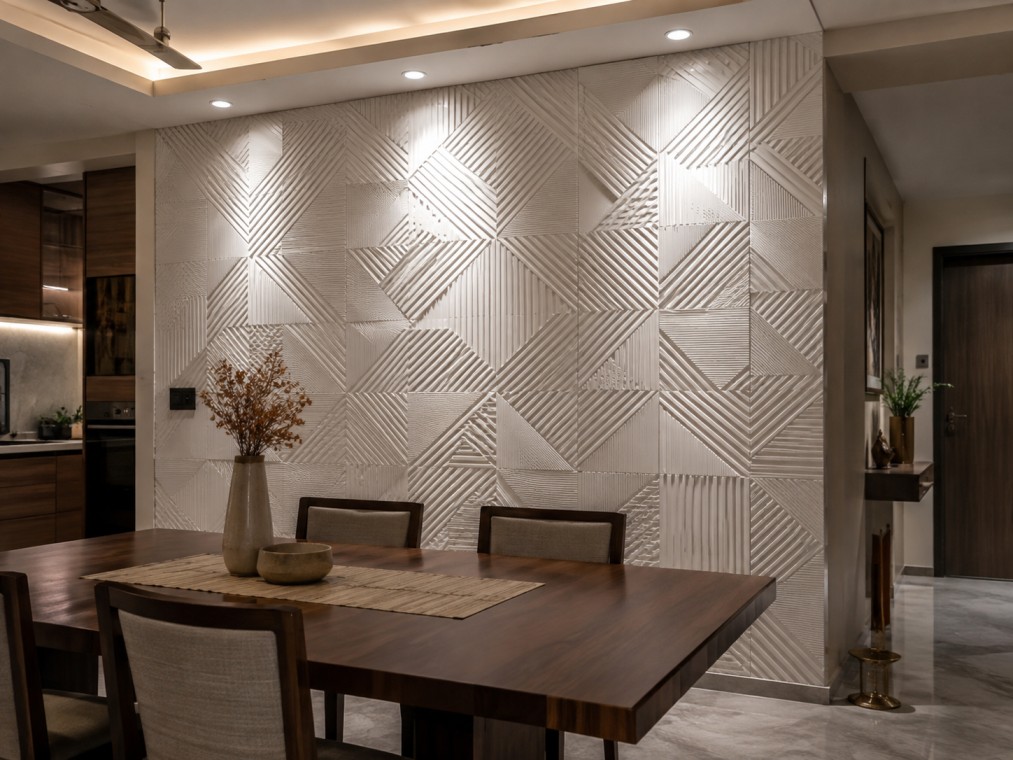
3D textured tile panels
Geometric and 3D tile panels suit accent walls in living rooms or behind dining tables. These panels catch light differently depending on the angle, so the wall changes character throughout the day as natural light shifts.
Budget-friendly tile cladding options
Standard ceramic tiles remain the most affordable cladding material on this list. They also install faster than stone, which lowers overall labour costs. However, cheaper tiles can chip at the edges, so it’s worth spending slightly more on a mid-range option for high-traffic walls.
PVC and Other Low-Maintenance Cladding Options
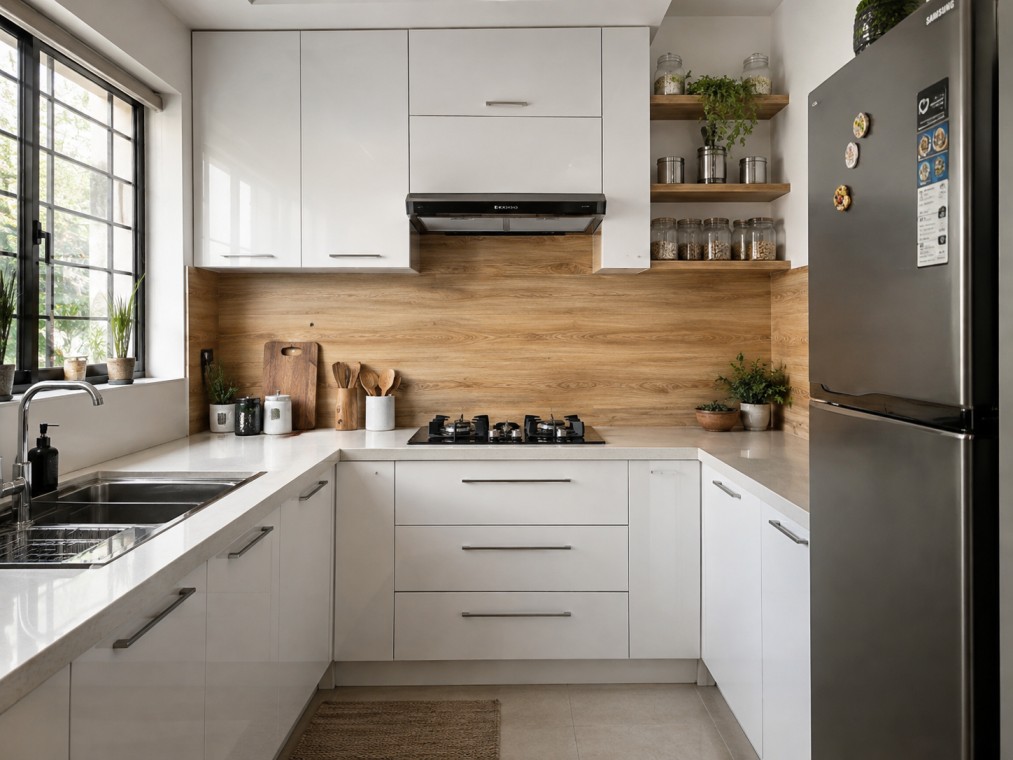
PVC wall panels suit renters and budget-conscious homeowners who still want a textured look without a long-term commitment. Installers fix these panels directly over existing walls with adhesive or clip systems, which keeps labour costs low and the process mess-free. PVC cladding resists moisture well, so it works in kitchens and bathrooms where wood and some tiles struggle. On the other hand, PVC lacks the premium feel of stone or solid wood, so most designers reserve it for rental homes, utility areas, and budget-first projects.
Wall Cladding Cost Comparison (Indicative)
Use this table as a starting reference only. Material costs shift with region, brand, panel thickness, and installation complexity, so always verify current pricing with your supplier before budgeting a project.
| Material | Approx. Price Range (per sq. ft.)* | Best For |
| PVC wall panels | ₹60 – ₹150 | Rentals, kitchens, bathrooms |
| Ceramic tile cladding | ₹80 – ₹250 | Budget accent walls, kitchens |
| Engineered wood / WPC panels | ₹150 – ₹400 | Bedrooms, home offices |
| Porcelain slab cladding | ₹200 – ₹550 | Living rooms, TV units |
| Natural stone cladding | ₹250 – ₹700+ | Entryways, staircases, facades |
*Indicative ranges only, based on general market patterns. Confirm exact rates for your city and project before quoting a client or budgeting a renovation.
How to Choose the Right Wall Cladding for Your Home
Start with the room’s function rather than the material’s appearance. Bathrooms and kitchens need moisture-resistant options like tile or PVC. Living rooms and bedrooms can handle wood or stone, since footfall and moisture stay lower in those spaces. Next, set a budget ceiling, because stone and solid wood sit at the premium end while tile and PVC anchor the affordable end. Finally, match the cladding tone to your existing flooring and furniture so the accent wall complements the room instead of competing with it.
FAQs
Natural stone generally outlasts wood and PVC, since it resists humidity, termites, and UV fading better than the alternatives.
No. Painting costs less upfront. Cladding costs more initially, but it lasts longer and needs far fewer touch-ups over time.
Yes. PVC panels and peel-and-stick tile options work well for renters, since installers can remove them without damaging the original wall.
Stone and wood cladding both add a layer of insulation, which can make a room feel slightly cooler, though the effect stays modest rather than dramatic.
Furnofy’s Take: Cladding Trends We’re Seeing in 2026
Our design team notices more clients requesting mixed-material walls this year — for instance, a stone base paired with a wood-panel upper section. This layered look adds visual interest without the cost of covering an entire wall in premium stone. We’re also seeing renewed interest in warm wood tones for bedrooms, as clients move away from the cooler greys that dominated the past few seasons.