
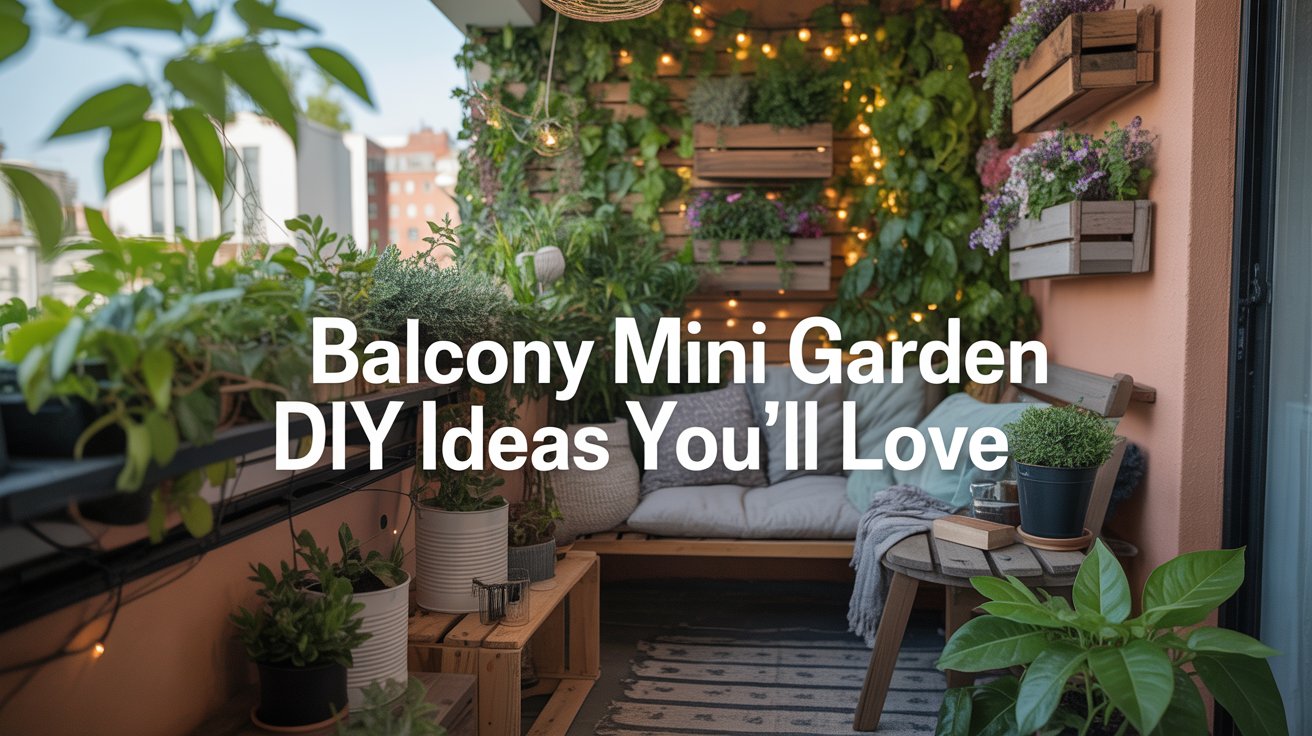
A balcony can be much more than just an outdoor corner, it holds the potential to become your personal green escape. In the heart of a busy city or a quiet town, a mini garden brings freshness, beauty, and a calming vibe to your home. You don’t need a large space or a big budget to make this happen. With a few smart balcony mini garden DIY ideas, you can turn even the smallest balcony into a vibrant and refreshing retreat. From clever container choices to vertical planting, each step adds life and color to your outdoor area. This transformation not only improves the look of your home but also helps create a peaceful spot where you can relax, recharge, or enjoy your morning tea.
In this blog, we’ll share practical and easy DIY ideas to help you convert your balcony into a lush garden oasis. From selecting the right plants to maximizing your space, we’ll guide you through every step to turn your outdoor space into a beautiful green haven.
Outline
- Why Convert Your Balcony into a Mini Garden?
- Improve Air Quality
- Reduce Stress
- Enhance Aesthetics
- Grow Organic Fruits & vegetables
- How to Plan Your DIY Balcony Garden
- Assessing Your Space
- Size
- Sun Exposure
- Wind Direction
- Budget
- Selecting the Right Plants
- Low Maintenance Plants
- Climate & Local Conditions
- Space-Saving Plants
- Assessing Your Space
- DIY Ideas for a Mini Garden
- Vertical Garden Ideas
- Wall-mounted Planters
- Ladder Planters
- Hanging Plant Holders
- Container Gardens
- Herb Garden in Pots
- Succulent Arrangements
- Flower Pots
- Hanging Gardens
- Hanging Baskets
- Macramé Plant Hangers
- Wall-Mounted Planters
- Use of Recycled Materials for Planters
- Small Old Wooden Crates
- Plastic Bottles
- Tin Cans
- Adding Furniture for Relaxation
- Compact Chairs & Tables
- Floor Cushions
- Hammocks or Swing Seats
- Vertical Garden Ideas
- Essential Tips for Balcony Gardening
- Watering & Drainage Solutions
- Creating Shade and Protection for Your Plants
- Seasonal Considerations
- Conclusion
1. Why Convert Your Balcony into a Mini Garden?
In crowded cities, balconies often become an afterthought, with many people using them for storage or simply leaving them bare. But a balcony holds much more potential than being just an empty corner. With a few balcony mini garden DIY ideas, you can transform this overlooked space into a vibrant green retreat. Converting your balcony into a mini garden can :
- Improve Air Quality: Plants act as natural air purifiers. They absorb carbon dioxide and release oxygen, which helps to keep the surrounding air fresh and clean. Adding greenery to your balcony makes the space healthier and more pleasant, especially in areas where outdoor air may feel stale or polluted.
- Reduce Stress: Spending time around plants and nature helps calm the mind. A green space on your balcony creates a soothing environment where you can pause, reflect, and unwind. Even just a few minutes surrounded by plants can help reduce anxiety, lower tension, and improve focus.
- Enhance Aesthetics: A well-designed balcony garden adds beauty and character to your home. From colorful flowers to textured foliage, greenery introduces visual interest and makes the space feel alive. It turns a dull corner into a warm, welcoming area that adds to the overall charm of your home.
- Grow Organic Fruits & Vegetables: Your balcony can become a small kitchen garden with fruits like strawberry, mulberry, lemons, and Grapes, or even vegetables like tomatoes, chilies, and spinach. These plants don’t need much space and grow well in containers. It’s a simple way to enjoy fresh, homegrown produce and reduce reliance on store-bought items.
2. How to Plan Your DIY Balcony Garden
Before you start planting and styling, it’s important to plan your balcony garden thoughtfully. Good planning helps avoid mistakes, saves time, and ensures your plants grow well in the space you have. Here’s how you can begin:
Assessing Your Space
Start by understanding the layout and conditions of your balcony. Every balcony is different, so your garden should suit its unique features.
- Size: Measure the entire area and take note of how much room is actually available for gardening. If the floor space is small, make use of the walls or railings to hang pots or install vertical shelves. Corner planters, railing boxes, and wall-mounted containers are excellent options for compact areas.
- Sun Exposure: Observe how much sunlight your balcony receives during the day. Full sun, partial sun, or deep shade; each type supports different plants. For example, herbs like basil and rosemary need direct sunlight, while ferns or peace lilies can do well in shade. Matching your plants with the available light ensures healthier growth and fewer disappointments.
- Wind Direction: Higher floors or open layouts often face strong winds. Check how windy your balcony gets, especially during certain hours. Choose sturdy planters and heavier pots that stay in place. If needed, use bamboo screens or tall plants as windbreaks to protect delicate greenery.
- Budget: Decide how much you want to invest. Balcony gardens can be created with basic materials or designed with more advanced elements. Even on a modest budget, you can recycle containers, use old furniture creatively, and buy seeds or saplings locally. Planning your expenses early helps you stay focused and make smart choices.
Selecting the Right Plants
Picking suitable plants is one of the most important steps in building a successful balcony garden. The right choices will make your garden easier to maintain, more attractive, and better suited to the conditions of your space. Keep the following points in mind:
- Low Maintenance Plants: If you’re just starting out or don’t have much time for daily upkeep, go for plants that require little attention. Options like succulents, snake plants, aloe vera, and ferns are ideal for beginners. Herbs like mint, thyme, and oregano are also simple to grow and useful in the kitchen. These plants usually need less watering and adapt well to changing balcony conditions.
- Climate & Local Conditions: Understanding your local weather is key. In hot and dry regions, look for drought-tolerant plants like bougainvillea, portulaca, or jade. For humid or tropical areas, flowering plants like jasmine, hibiscus, or orchids can grow well and add fragrance to the space. Matching plants to your natural climate reduces the need for constant care and helps them thrive.
- Space-Saving Plants: Balcony space is often limited, so make every inch count. Compact plants like marigolds, petunias, and lettuce work well in small containers. You can also include vertical growers such as money plant, morning glory, or ivy, which grow upward and save floor space. Hanging baskets and railing planters are perfect for adding greenery without crowding the area.
3. DIY Ideas for a Mini Garden
Now, let’s explore creative and easy balcony mini garden DIY ideas that will help you transform your balcony into a beautiful green retreat. These suggestions are practical, space-friendly, and bring a unique charm to your outdoor space. With the right approach, even a small balcony can be turned into a thriving mini garden full of life.
Vertical Garden Ideas
Vertical gardening is one of the best ways to save space while adding layers of greenery. Instead of placing all your plants on the floor, you use the height of your balcony to create a lush wall of plants.
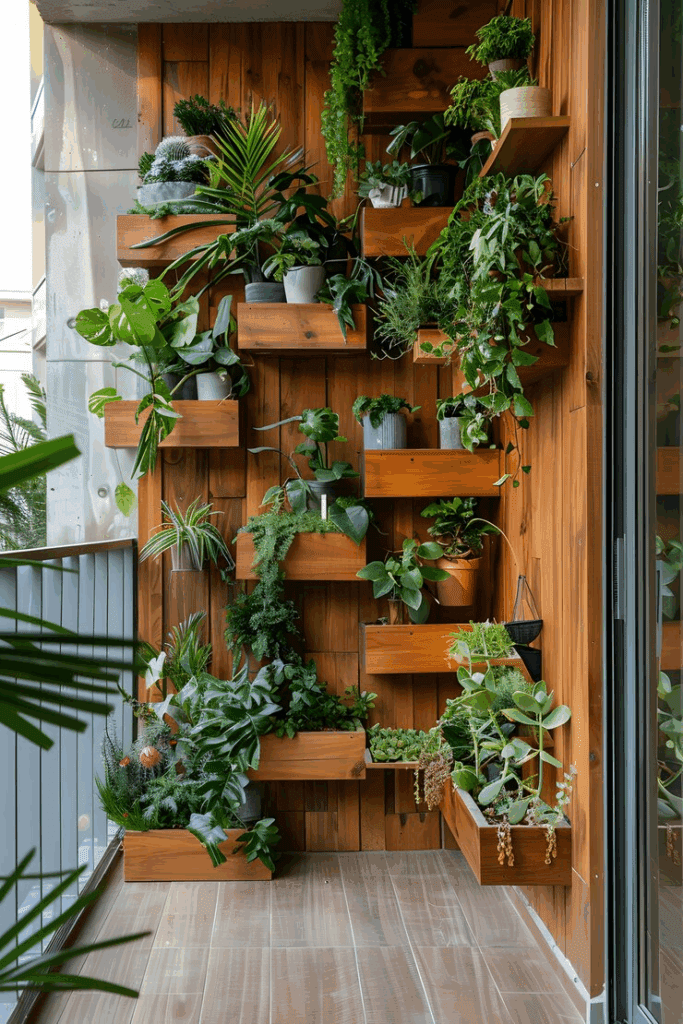
- Wall-mounted Planters: Install shelves, wooden panels, or metal racks on your balcony wall. Arrange small pots filled with herbs, succulents, or flowering plants on these supports. This setup is easy to maintain and brings a neat, organized look to the space.
- Ladder Planters: Repurpose an old wooden ladder or use a metal plant stand to display your plants vertically. Place different types of plants on each step, creating a tiered arrangement. This design adds depth and style while keeping the floor area open.
- Hanging Plant Holders: Use sturdy hooks on the ceiling or balcony railing to hang pots. Choose decorative holders, macrame hangers, or colorful baskets for visual interest. Hanging plants like spider plants, pothos, or string of pearls work perfectly for this style and add a soft, flowing feel to the garden.
Container Gardens
Container gardening works perfectly for balconies with limited space. It allows flexibility in design, easy movement of plants, and better control over soil and watering. As part of your balcony mini garden DIY ideas, using different containers helps you create a dynamic and personalized garden that suits your home’s style and the conditions of your balcony.
Choose containers that match the look and feel of your space. Ceramic pots add a classic touch, terracotta planters bring warmth and earthiness, while metallic or matte-finished pots give a more modern, sleek appearance. Make sure all containers have proper drainage holes to avoid waterlogging and root rot.
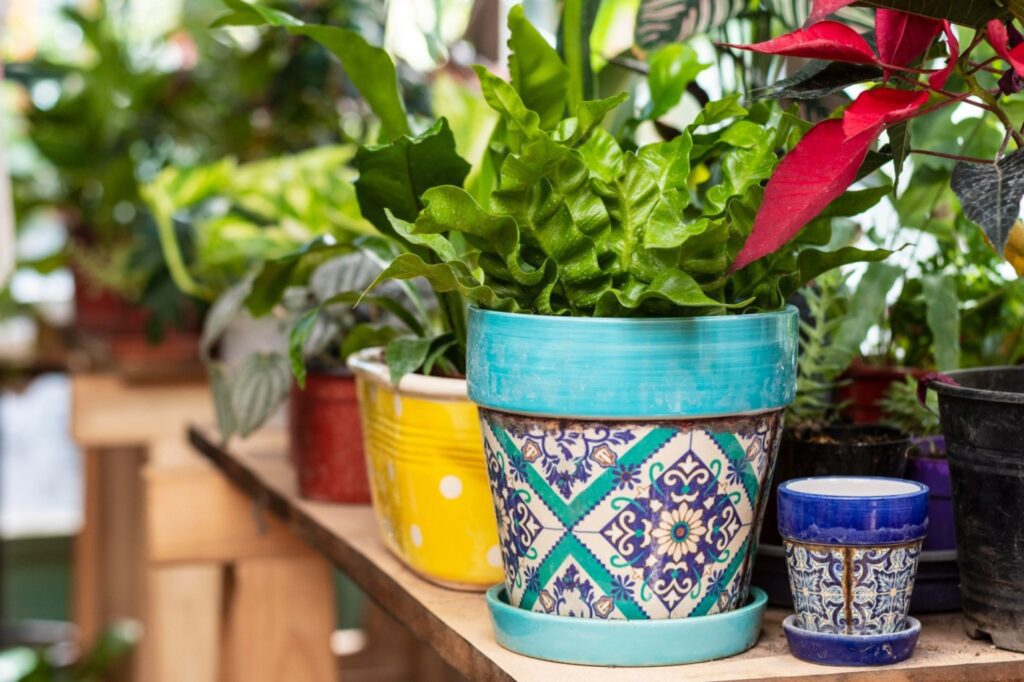
Here are a few effective container garden ideas
- Herb Garden in Pots: Grow a variety of herbs in small to medium-sized containers. Basil, mint, rosemary, coriander, and thyme are easy to grow and perfect for daily kitchen use. Place them near sunlight and water them regularly. These plants not only add greenery but also offer fresh ingredients at your fingertips.
- Succulent Arrangements: Succulents are low-maintenance and come in various colors, textures, and sizes. You can group them in wide, shallow containers or plant them individually in small decorative pots. Mix different species for contrast and interest. These hardy plants need minimal watering and look attractive all year round.
- Flower Pots: Add seasonal flowers to brighten up your balcony. Marigolds, petunias, geraniums, and zinnias grow well in containers and bring vibrant colors to the space. Use pots of varying heights and shapes to create layers and depth. Ensure they receive adequate sunlight and occasional feeding to stay healthy and blooming.
Hanging Gardens
Hanging gardens are a creative way to bring greenery into your balcony without using too much floor space. They add vertical beauty, improve the overall ambiance, and make your balcony feel more lush and inviting. As part of your balcony mini garden DIY ideas, hanging gardens are perfect for small spaces and offer great visual appeal when arranged thoughtfully.
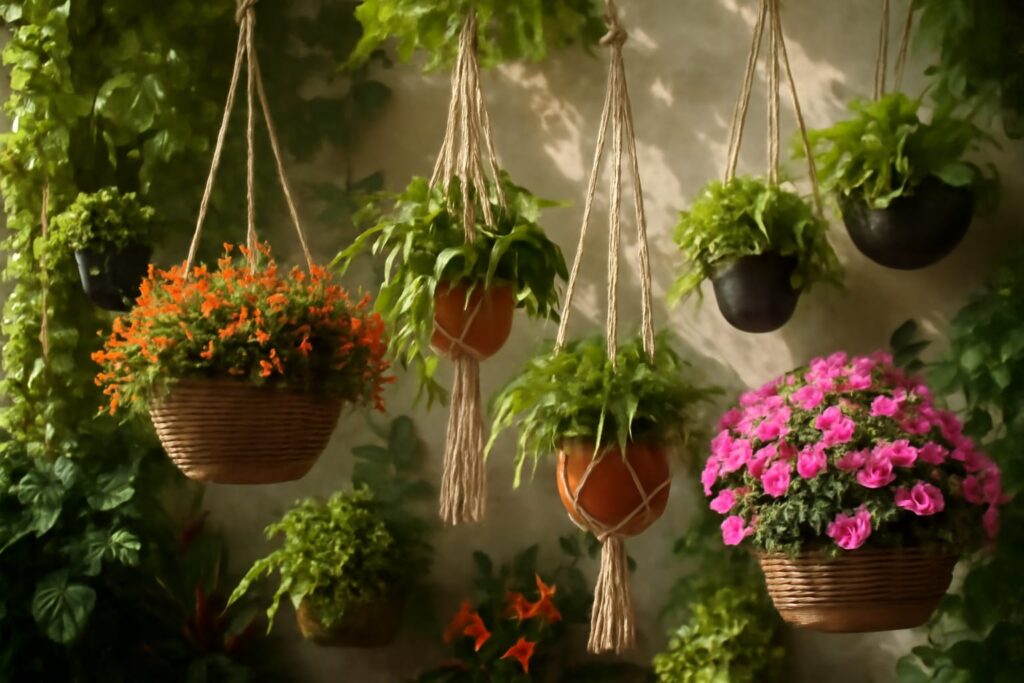
- Hanging Baskets: Use strong, weather-resistant hanging baskets to grow herbs, trailing flowers, or leafy vines. Plants like petunias, fuchsias, and spider plants look stunning in baskets. Hanging them at different levels adds movement and softness to your balcony. Choose materials like coir or wire-framed baskets with liners for proper drainage and durability.
- Macrame Plant Hangers: Introduce a handmade touch by using macramé plant hangers. These cotton or jute holders bring a rustic, bohemian feel and allow you to suspend pots from railings or ceilings. They’re ideal for medium-sized indoor or semi-outdoor plants like pothos, philodendron, or trailing succulents. Vary the lengths for a layered, artistic display.
- Wall-Mounted Planters: Fix small planters or pocket-style holders directly on the balcony wall. Arrange them in a grid, staggered rows, or creative patterns for a decorative feature that also holds plants. Use these planters for ferns, herbs, or colorful flowers. This method turns a plain wall into a living piece of art while keeping the floor area free.
Use of Recycled Materials for Planters
Repurposing old and unused items is a smart way to add character to your balcony garden while staying eco-friendly and budget-conscious. As part of your balcony mini garden DIY ideas, these DIY planter options reduce waste and bring a creative, personal touch to your outdoor space. With a little imagination, everyday objects can be transformed into beautiful, functional containers for your plants.
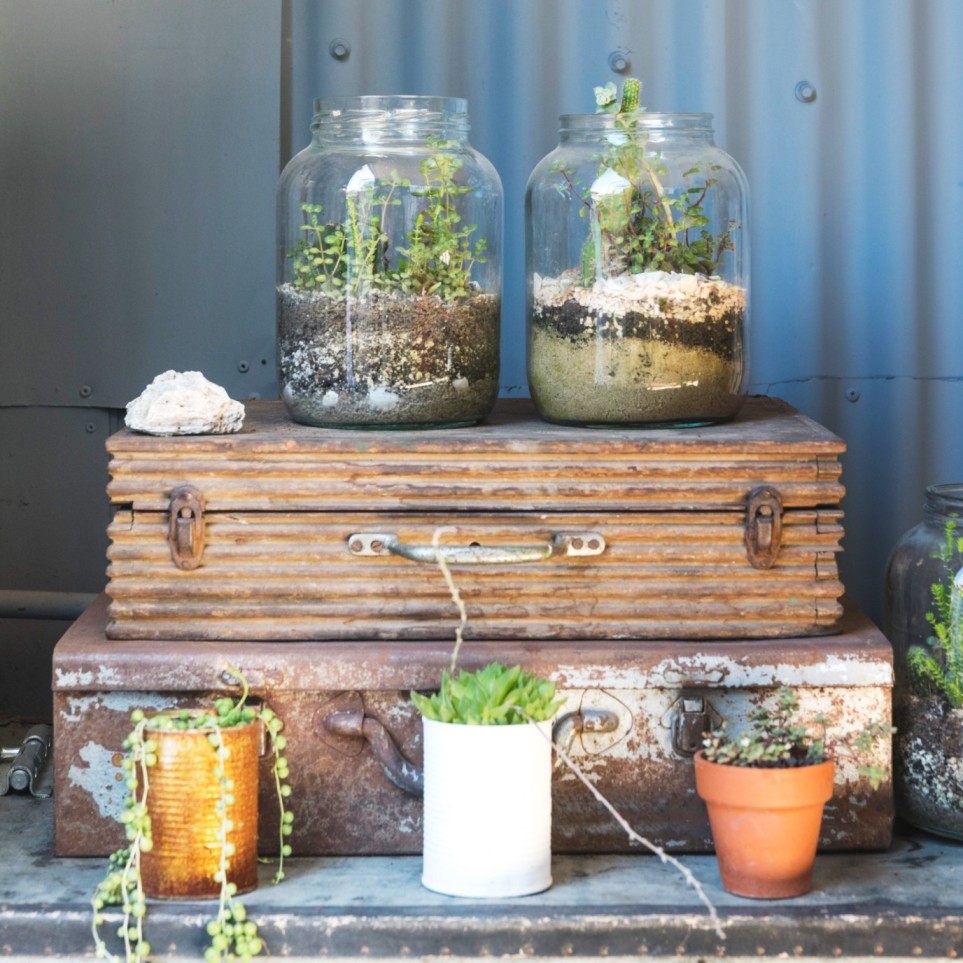
- Small Old Wooden Crates: Turn wooden crates into rustic planters that add charm and warmth. Line the crates with plastic or landscape fabric to hold soil and moisture. You can place them on the floor, mount them on the wall, or stack them to create a tiered structure. This setup works well for flowering plants, leafy greens, or a mix of herbs.
- Plastic Bottles: Cut plastic bottles horizontally or vertically to form compact planters. These can be painted or wrapped with jute for a neater look. Some designs allow for self-watering by placing a water reservoir at the bottom. You can hang them using ropes or fix them along balcony railings. They’re ideal for small herbs or shallow-rooted plants like lettuce or spinach.
- Tin Cans: Recycle used tin cans by cleaning them thoroughly and adding a few drainage holes at the base. Paint them in bold colors, pastel shades, or patterns to suit your balcony theme. These cans are great for holding herbs, succulents, or petite flowers. Attach them to walls, railings, or place them on window ledges for a cheerful pop of color.
Adding Furniture for Relaxation
Once your balcony is filled with greenery, it becomes more than just a garden, it turns into a peaceful escape. Adding the right furniture completes the space, allowing you to sit back, relax, and enjoy the surroundings you’ve created. Choose seating and decor that suits your balcony size and style, while keeping comfort in focus.
- Compact Chairs & Tables: For small balconies, go for compact, foldable furniture that doesn’t take up much space. A small bistro set with two chairs and a table creates a lovely spot for morning tea, reading, or working with a view. Choose weather-resistant materials like metal or treated wood to ensure durability.
- Floor Cushions: To create a relaxed and informal setup, place large floor cushions or poufs across the balcony. Add a low table or a tray for holding drinks or snacks. This style works well for laid-back evenings, casual get-togethers, or simply lounging among your plants. Use washable covers in earthy or vibrant tones to add texture and color.
- Hammocks or Swing Seats:If space allows, consider installing a hammock or a swing chair in one corner. These not only offer a unique seating option but also bring a playful and calming energy to your balcony. Make sure the structure is secure and safe to support the weight. Pair the swing with a throw or cushion for added comfort.
4. Essential Tips for Balcony Gardening
After setting up your plants and furniture, the next step is to care for your garden so it stays fresh, healthy, and beautiful through the seasons. A little attention on a regular basis helps your plants grow better and keeps your balcony inviting all year round.
Watering & Drainage Solutions
Water is vital for plant health, but too much of it can do more harm than good. Always choose containers with proper drainage holes to prevent water from collecting at the bottom. This helps avoid root rot and keeps the soil healthy. You can also place saucers under pots to catch excess water and protect your flooring.
For easier upkeep, consider using self-watering planters, which supply water slowly as the plant needs it. If your garden is larger or you have a busy schedule, a simple drip irrigation system can save time and ensure consistent moisture.
Creating Shade and Protection for Your Plants
Direct sunlight, especially during summer, can stress plants and dry them out quickly. If your balcony faces strong sun, add protective elements like bamboo blinds, roll-up curtains, or a light fabric canopy. These reduce heat while still allowing enough light for your plants to grow.
You can also use taller plants or hanging greenery to create natural shade for smaller, delicate ones. Arranging your plants thoughtfully placing shade-loving varieties in protected corners, helps maintain balance in light and temperature.
Seasonal Considerations
Weather changes throughout the year, and your garden needs to adapt accordingly. During colder months, move sensitive plants indoors or group them in warmer, more sheltered corners of the balcony. Hardy plants like rosemary, pansies, and certain ferns can survive mild winters and continue to thrive outdoors.
In summer, focus on hydration and protection. Water your plants early in the morning or late in the evening to reduce evaporation. Use mulch or cover the soil with pebbles to help retain moisture. Trim dead leaves and flowers regularly to encourage new growth and keep your garden looking fresh.
Staying aware of seasonal needs and making small adjustments ensures your balcony garden remains healthy and vibrant, no matter the time of year.
5. Conclusion
Turning your balcony into a mini garden is a practical and rewarding way to bring nature closer to your daily life. With careful planning, the right plant choices, and a few simple balcony mini garden DIY ideas, even a small space can be transformed into a peaceful green retreat. From vertical arrangements to recycled planters, each element adds character and function to your garden. Thoughtful use of containers, hanging displays, and comfortable seating makes the space feel complete and inviting.
Regular care, attention to seasonal changes, and proper watering help keep your garden healthy and thriving throughout the year. This green corner not only enhances the look of your home but also provides a calm spot to relax, recharge, and enjoy the beauty of nature. Creating a balcony garden doesn’t require a large budget or professional skills just a little creativity, patience, and love for plants. Start small, grow slowly, and enjoy the journey of building your own garden in the sky.