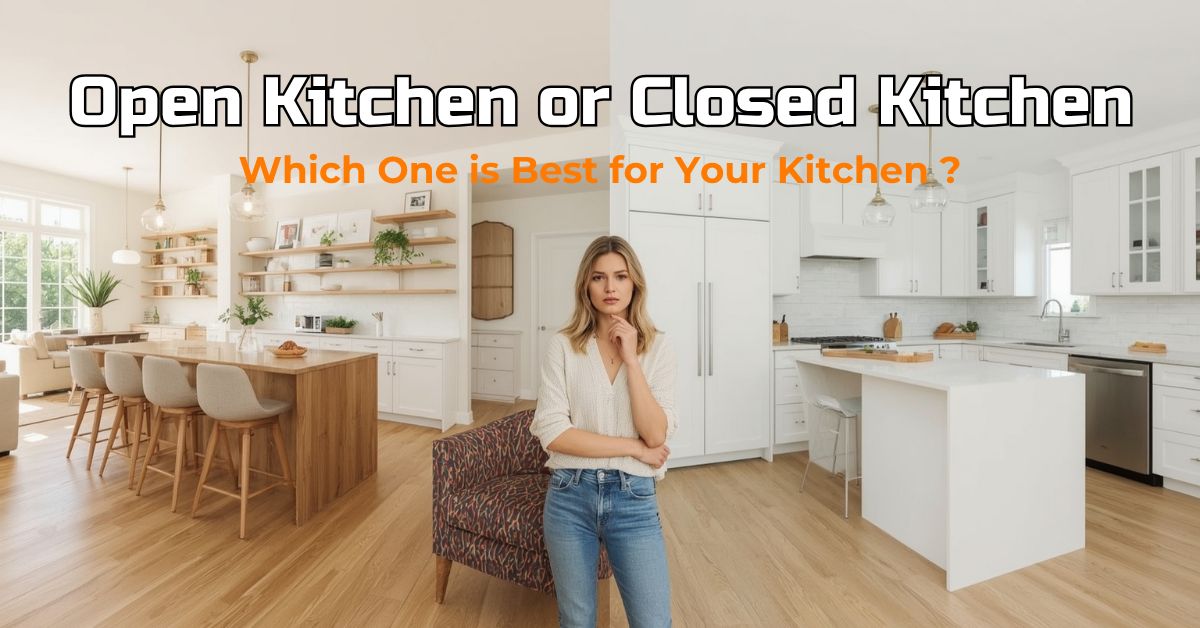
An open or closed kitchen layout can greatly shape how your home functions and feels. Each choice brings different benefits, depending on space, usage, and personal habits. Open kitchens connect the cooking area with the rest of the home, promoting interaction and a spacious look. Closed kitchens offer a quieter, more private environment, helping contain mess and noise. To decide which layout suits your home, it’s important to look at your cooking style, family needs, and how much separation or openness you prefer in your living areas. The right choice will support both comfort and efficiency in your daily routine.
In this blog, we’ll guide you through the key differences between open and closed kitchen layouts to help you choose what suits your space and lifestyle. From layout benefits and limitations to practical design tips, you’ll get clear insights that make the decision easier. Whether you’re planning a new kitchen or remodeling an existing one, you’ll find helpful ideas to create a space that works best for your daily needs.
Table of Contents:
- What is an Open Kitchen?
- What is a Closed Kitchen?
- Advantages and Disadvantages of Open Kitchens
- Advantages
- Spacious and Airy Feel
- Better Social Interaction
- Increased Natural Light
- Modern Aesthetic
- Disadvantage
- Mess and Clutter
- Odors and Noise
- Less Privacy
- Limited Storage
- Advantages
- Advantages and Disadvantages of Closed Kitchens
- Advantages
- Privacy and Quietness
- Odor Control
- Reduced Mess Visibility
- Increased Storage Space
- Disadvantages
- Space Constraints
- Limited Interaction
- Lack of Natural Light
- Outdated Look
- Advantages
- How to Decide Between an Open or Closed Kitchen?
- Kitchen Size
- Lifestyle
- Ventilation
- Privacy Needs
- Design Tips for Open Kitchens
- Use an Island
- Invest in Smart Storage
- Incorporate Glass Panels
- Design Tips for Closed Kitchens
- Maximize Storage
- Add Ventilation
- Use Light Colors
- Conclusion
1. What is an Open Kitchen?
An open kitchen layout is one where the cooking area is integrated into the living space without any walls or barriers. The kitchen is typically designed to flow into the dining or living area, allowing for a seamless transition between spaces. This setup is popular in modern homes and apartments, where the goal is to create a spacious and interactive environment. Open kitchens are usually designed with islands or breakfast bars that further connect the cooking space with the living area.
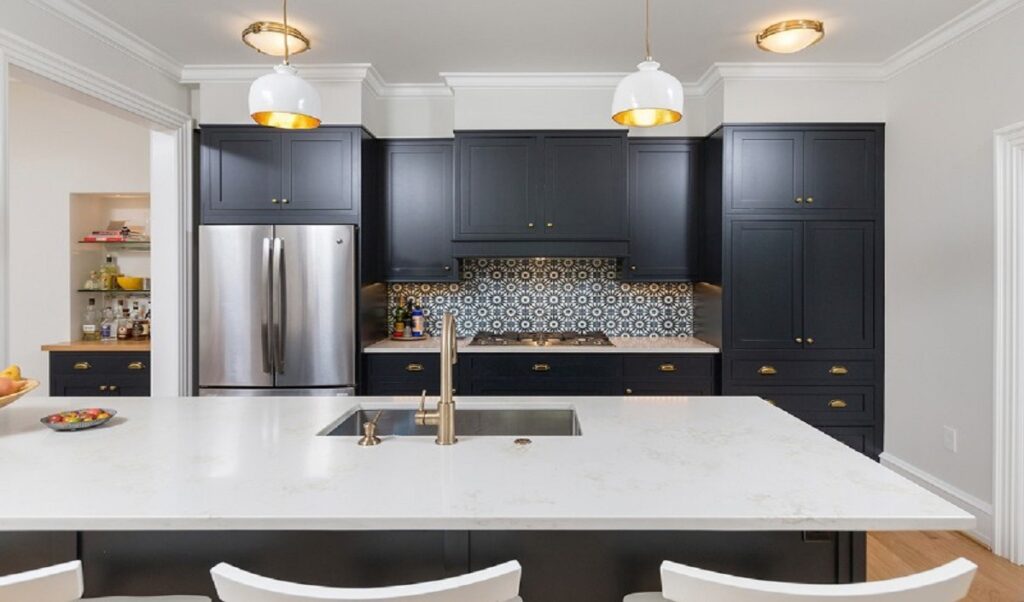
The primary feature of an open kitchen is that it encourages social interaction. While one person is cooking, they can engage with family members or guests in the living or dining area. Open kitchens also tend to appear larger because there are no walls to divide the space, making them ideal for smaller homes or apartments.
2. What is a Closed Kitchen?
A closed kitchen, on the other hand, is a traditional kitchen layout where the cooking space is entirely enclosed and separated from other areas of the home. This layout typically includes walls, doors, or partitions that provide privacy and help to contain the mess and cooking smells. Closed kitchens are usually the norm in many older homes and are commonly seen in larger houses where the kitchen needs to be a dedicated space for cooking and food preparation.
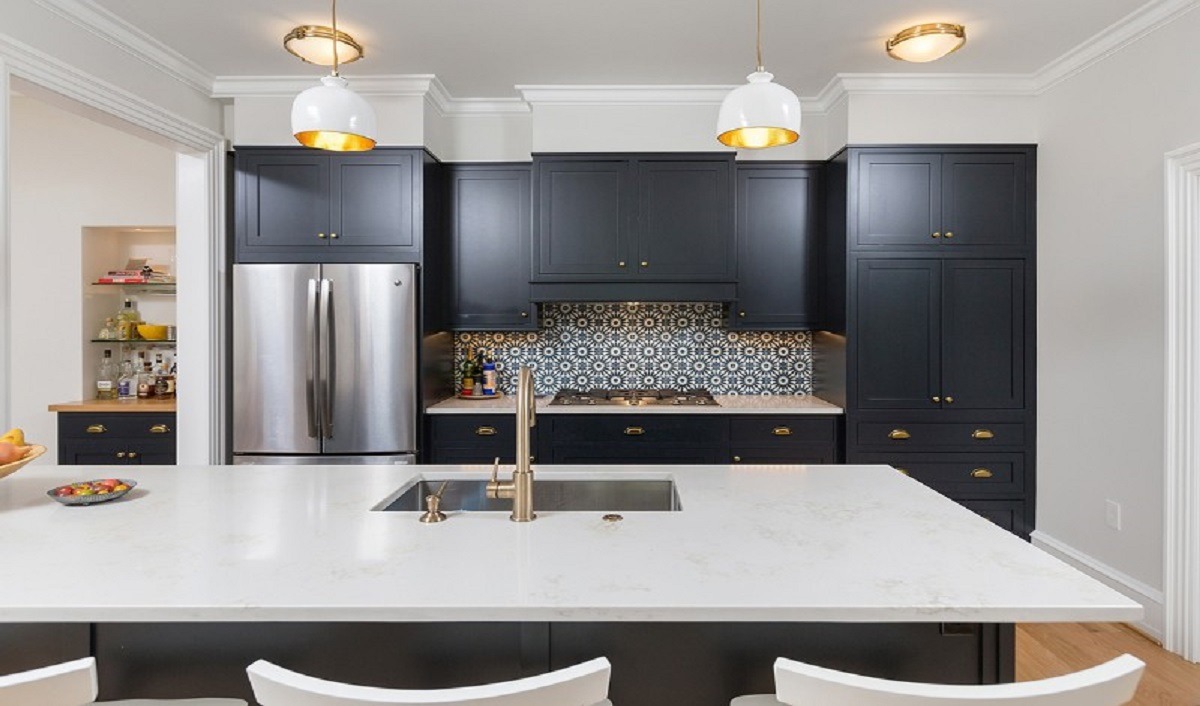
The main feature of a closed kitchen is that it provides separation between the kitchen and the rest of the living area. This setup allows for privacy and is particularly useful if you want to keep the mess of cooking and the smells associated with it confined to one area of the house. Closed kitchens can be designed to be more utilitarian and efficient, with storage solutions, workstations, and appliances all within easy reach.
3. Advantages and Disadvantages of Open Kitchens
An open kitchen layout offers a variety of benefits, but it may not be suitable for every home or lifestyle. Let’s look at the key advantages and disadvantages of open kitchens.
A. Advantages of Open Kitchens
- Spacious and Airy Feel: Open kitchens are designed without walls or partitions, which helps create a visual flow between the kitchen and adjoining living or dining areas. This seamless integration enhances the perception of space, making the entire home feel larger and more open. The unobstructed layout allows for better movement and circulation, making the kitchen feel more functional and less cramped.
- Better Social Interaction: One of the most appealing aspects of open kitchens is the enhanced ability to connect with others while cooking. Whether you’re entertaining guests or simply catching up with your family after a long day, the open format makes it easy to stay engaged in conversations without having to leave the kitchen. It transforms the kitchen into a central hub of the home where cooking and connection happen simultaneously.
- Increased Natural Light: Walls and barriers often restrict the flow of natural light in traditional kitchens. Open kitchens, on the other hand, benefit from the shared light of adjacent rooms, allowing sunlight to travel freely throughout the space. Natural light can enhance the overall mood of the space, highlight textures and materials, and make the kitchen feel warm and inviting.
- Modern Aesthetic: Open kitchens are a hallmark of contemporary home design. They offer a streamlined, cohesive look that aligns with modern trends emphasizing minimalism, functionality, and visual continuity. With fewer walls, there’s more flexibility in terms of layout, cabinetry, and decor. You can incorporate elements like a kitchen island or breakfast bar that doubles as a dining or prep area, enhancing both utility and style. Open kitchens also allow for design consistency throughout the home, creating a harmonious transition between cooking, dining, and lounging areas.
B. Disadvantages of Open Kitchens
- Mess and Clutter: One of the biggest concerns with open kitchens is the challenge of maintaining a clean and tidy appearance. Cooking inevitably involves spills, splatters, and dirty dishes and in an open layout, there’s nowhere to hide them. Unlike closed kitchens where you can shut the door and clean up later, open kitchens keep everything in plain view.
- Odors and Noise: Without walls to contain them, kitchen smells and noises can easily drift into adjoining spaces. While the scent of fresh-baked cookies might be pleasant, lingering odors from fried foods, spices, or strong ingredients like garlic and onions can become overwhelming and seep into furniture, curtains, or rugs. This can be particularly problematic in compact homes or apartments where there’s limited separation between living zones.
- Less Privacy: Open kitchens eliminate the boundary between the kitchen and the rest of the home, which means everything happening in the kitchen is visible. Whether you’re trying out a new recipe, dealing with a stack of dishes, or simply not in the mood to put on a show, this transparency can feel intrusive. For those who enjoy cooking as a private, personal activity, the lack of separation might lead to discomfort.
- Limited Storage: Storage can be a challenge in open kitchens because of the absence of full-height walls that typically support upper cabinets. With fewer closed cabinets and pantries, there’s less space to store appliances, cookware, and pantry items. You may need to invest in smart storage solutions such as pull-out drawers, vertical shelving, kitchen islands with hidden compartments, or multi-functional furniture that doubles as storage. While these can be stylish and practical, they also require careful planning to avoid a cluttered look in your open space.
4. Advantages and Disadvantages of Closed Kitchens
A closed kitchen is often seen as a more practical and traditional option. However, it comes with its own set of benefits and challenges.
A. Advantages of Closed Kitchens
- Privacy and Quietness: One of the biggest advantages of a closed kitchen is that it provides a private, quiet space where you can focus on cooking without distractions. If you have young children or guests in your living area, a closed kitchen allows you to keep the cooking process separate from the socializing going on in the rest of the home.
- Odor Control: One of the strongest practical advantages of a closed kitchen is the ability to contain cooking smells. Spices, oils, and strong ingredients particularly common in Indian and Asian cuisines can produce lingering aromas that may not be welcome in the rest of the home. Closed kitchens keep these odors confined to the cooking area, especially when paired with a high-quality chimney or exhaust system.
- Reduced Mess Visibility: Cooking is inherently messy utensils get used, spills happen, and dishes pile up. In an open-plan layout, all of that is visible from adjoining rooms. Closed kitchens offer the luxury of shutting the door and dealing with the mess later, without worrying about how it affects the rest of your home. It also reduces pressure on the homeowner to keep the kitchen spotless at all times, especially during gatherings or busy weekdays.
- Increased Storage Space: Thanks to the presence of multiple walls and a more contained footprint, closed kitchens naturally allow for more cabinetry, shelving, and other storage solutions. From overhead cupboards to full-height pantry units, the design flexibility of a closed kitchen makes it easier to organize your kitchen tools, appliances, and food supplies. You can install tall cabinets without worrying about blocking sightlines or disrupting the visual flow of an open space.
B. Disadvantages of Closed Kitchens
- Space Constraints: Closed kitchens can feel compact and enclosed, especially in smaller homes or apartments. The presence of walls limits movement and airflow, often making the kitchen feel more cramped. This can affect both comfort and functionality during cooking or cleaning sessions.
- Limited Interaction: With a closed layout, the cook is separated from the rest of the household. This makes it harder to interact with guests, join conversations, or keep an eye on children while preparing meals. The kitchen becomes a secluded workspace rather than a social hub, reducing the communal aspect of cooking.
- Lack of Natural Light: Closed kitchens typically receive less natural light, particularly if they don’t have large windows or openings. The enclosed design blocks shared light from nearby living or dining spaces. As a result, the kitchen may feel dark or less lively, increasing the need for artificial lighting during the day.
- Outdated Look: Modern home designs favor open, flowing spaces that blend living, dining, and kitchen zones. A closed kitchen can appear disconnected from this aesthetic and may seem outdated in contemporary settings. Unless designed with intentional classic or vintage charm, it may clash with the rest of the home’s style and decor.
5. How to Decide Between an Open or Closed Kitchen?
Deciding between an open or closed kitchen depends on several factors, including the size of your home, the layout, your cooking habits, and your overall lifestyle. Here are a few key considerations:
- Kitchen Size: Smaller homes or apartments often benefit from open kitchens, as removing physical barriers can create the illusion of more space and improve movement. Open designs make even a compact area feel larger and more welcoming. However, if you have a spacious kitchen, a closed layout may serve better. It allows for more defined zones, ample cabinetry, and a clutter-free appearance—ideal for families that need storage and organization.
- Lifestyle: Think about how you use your kitchen. If it’s the heart of your home where people gather, talk, and share meals, an open kitchen supports that lifestyle by encouraging interaction and visibility. It’s perfect for those who love to entertain or multitask while cooking. In contrast, if you treat cooking as a quiet, personal task or prefer to work undisturbed, a closed kitchen provides a peaceful, enclosed environment with fewer distractions.
- Ventilation: Cooking smells can be a real issue in open kitchens. Without sufficient ventilation, aromas from frying, spices, or strong ingredients can spread through the entire home. If you opt for an open plan, investing in a high-quality exhaust or chimney is essential. Closed kitchens naturally contain odors and are easier to manage in terms of air quality.
- Privacy Needs: Open kitchens expose everything dirty dishes, messy countertops, or cooking mishaps. If you’re particular about maintaining a spotless look or prefer to keep your kitchen separate from guest view, a closed kitchen offers more privacy. It also allows you to cook without worrying about constantly tidying up.
6. Design Tips for Open Kitchens
- Use an Island: A kitchen island is a versatile element that visually separates the cooking area from the living or dining space without closing it off completely. It provides additional counter space for meal prep, extra storage underneath, and can double as a casual dining or gathering spot. Islands help keep the kitchen organized and functional while maintaining the open, airy feel.
- Invest in Smart Storage: Clutter can quickly accumulate in an open kitchen, affecting both appearance and usability. Incorporate clever storage options like pull-out cabinets, deep drawers, built-in shelving, and decorative baskets to keep essentials neatly tucked away. These smart solutions help maintain a clean and streamlined look, ensuring your kitchen stays both stylish and practical.
- Incorporate Glass Panels: If you need occasional privacy or want to control noise and odors without sacrificing the open concept entirely, consider installing glass panels or sliding doors. These can be left open to maintain flow or closed when you want to isolate the kitchen space. Glass keeps the area visually connected while offering flexibility and functionality.
7. Design Tips for Closed Kitchens
- Maximize Storage: Closed kitchens typically offer more wall space for cabinetry and shelves. Take full advantage of this by incorporating vertical storage solutions like tall cabinets, overhead shelves, and pantry units. Utilizing the full height of the walls helps keep your kitchen organized and clutter-free while maximizing every inch of available space.
- Add Ventilation: Odor control is crucial in a closed kitchen where smells can easily linger. Invest in a high-quality chimney or exhaust fan to ensure proper ventilation. Good airflow not only keeps the kitchen smelling fresh but also improves air quality and reduces moisture buildup.
- Use Light Colors: To prevent a closed kitchen from feeling dark or cramped, choose light colors for walls, cabinets, and countertops. Whites, creams, and pastel shades reflect light better and create an airy atmosphere. Complement this with ample artificial lighting such as recessed lights, under-cabinet fixtures, and pendant lamps to brighten the space and enhance visibility during cooking.
8. Conclusion
Whether you opt for an open or closed kitchen depends on your preferences and lifestyle. Open kitchens are ideal for modern, social spaces, while closed kitchens offer privacy, better odor control, and more storage. Carefully consider the size of your home, your cooking habits, and your design goals before making your decision. Both layouts have their pros and cons, and with the right planning and design, you can create a kitchen that