
In India, the balcony serves as a functional yet often underappreciated space in homes, providing a place to relax, sip chai, or simply take in the fresh air. Whether you live in a city apartment or a villa, your balcony can be a true extension of your living space when designed well. A key element that contributes to creating a beautiful and durable balcony is the flooring for Indian balconies. Given the diverse climate conditions across India ranging from scorching heat to monsoon rains selecting the right flooring for your balcony is crucial.
In this blog, we will explore the best flooring options for Indian balconies. From traditional tiles to modern outdoor solutions, we’ll guide you through various materials, their pros and cons, and how they suit different types of Indian climates and lifestyles. By the end of this article, you’ll be well-equipped to make an informed decision and transform your balcony into a charming retreat.
Table of Contents
- Why the Right Flooring Matters for Balconies
- Durability
- Aesthetic Appeal
- Comfort
- Maintenance
- Popular Flooring Options for Indian Balconies
- Ceramic and Porcelain Tiles
- Outdoor Wooden Decking
- Outdoor Vinyl Flooring
- Stone Flooring (Granite, Marble, Slate)
- Artificial Grass or Turf
- Concrete Flooring
- Factors to Consider When Choosing Balcony Flooring
- Best Flooring for Different Climates in India
- Conclusion
1. Why the Right Flooring Matters for Balconies
The balcony is often exposed to the elements, which means the flooring for Indian balconies needs to withstand changing weather conditions—hot summers, heavy monsoon rains, and even chilly winters. It serves as an extension of your indoor living space and is often used for relaxation, socializing, or even gardening. Here are several key aspects to consider:
- Durability: Since balconies experience outdoor conditions, the flooring must be sturdy and capable of handling foot traffic, weight, and weather fluctuations. From intense UV rays that can cause fading or warping to rainwater that may lead to moisture-related issues like mold. the material you choose should be resilient. High durability ensures that the flooring remains intact and safe over time, reducing the need for frequent repairs or replacements.
- Aesthetic Appeal: Flooring contributes to the overall look of your balcony, setting the tone for your outdoor space, whether you prefer a sleek modern vibe or a rustic retreat. Whether you’re adding cozy furniture, decorative plants, or ambient lighting, the right flooring can serve as the perfect backdrop and unify the design elements.
- Comfort: Your balcony should be a comfortable place to relax, so you’ll want flooring that feels pleasant underfoot, especially if you like to spend long hours outdoors. Certain materials, like wooden decking or composite tiles, remain cooler in the heat and warmer in the cold, offering a more inviting experience. Additionally, softer surfaces can make barefoot lounging or yoga sessions more enjoyable.
- Maintenance: Some flooring options require more upkeep than others. Choosing low-maintenance materials can save you time and money in the long run. Weather-resistant and easy-to-clean surfaces such as porcelain tiles, treated wood, or interlocking deck tiles reduce the need for constant scrubbing, sealing, or refinishing. Minimal maintenance also ensures that your balcony stays looking fresh and attractive with little effort.
2. Popular Flooring Options for Indian Balconies
Here are some of the best flooring options for balconies in India, each catering to different preferences, budgets, and climates.
Ceramic and Porcelain Tiles
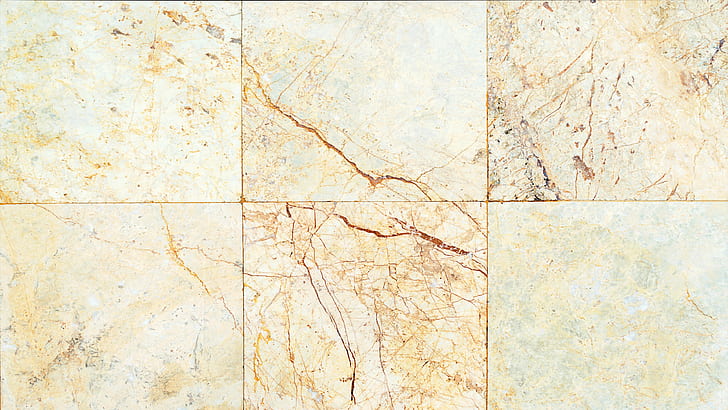
Ceramic and porcelain tiles are a popular choice for balcony flooring in India. They come in various patterns, textures, and colors, making them a versatile option for any balcony style, whether modern, classic, or eclectic.
Advantages:
- Weather Resistance: Tiles are durable and can withstand both high temperatures and rain. Their strong surface resists wear and tear from changing weather conditions, and they are also resistant to fading, making them ideal for sunny balconies that receive direct exposure to sunlight throughout the day.
- Easy to Clean: Tiles are easy to maintain and clean. Simply wiping them with a damp cloth or mopping with mild detergent will keep them looking fresh and stain-free, even after heavy use or during the monsoon season.
- Variety of Designs: You can choose from different styles, including traditional, contemporary, and rustic looks. This allows you to personalize your outdoor space according to your taste. Tiles with anti-slip features are also available for added safety, especially useful during wet weather.
- Cost-Effective: Ceramic and porcelain tiles are available in a wide price range, making them suitable for various budgets. Whether you’re planning a cost-conscious renovation or a high-end upgrade, there are plenty of options to match your financial plan without compromising on quality or appearance.
Disadvantages:
- Hard Surface: Although they are durable, ceramic tiles can feel hard underfoot, especially if you plan to spend a lot of time on your balcony. The surface can also be unforgiving if something fragile is dropped. Adding cushions, rugs, or mats can help soften the surface and make the area more comfortable for everyday use.
Outdoor Wooden Decking
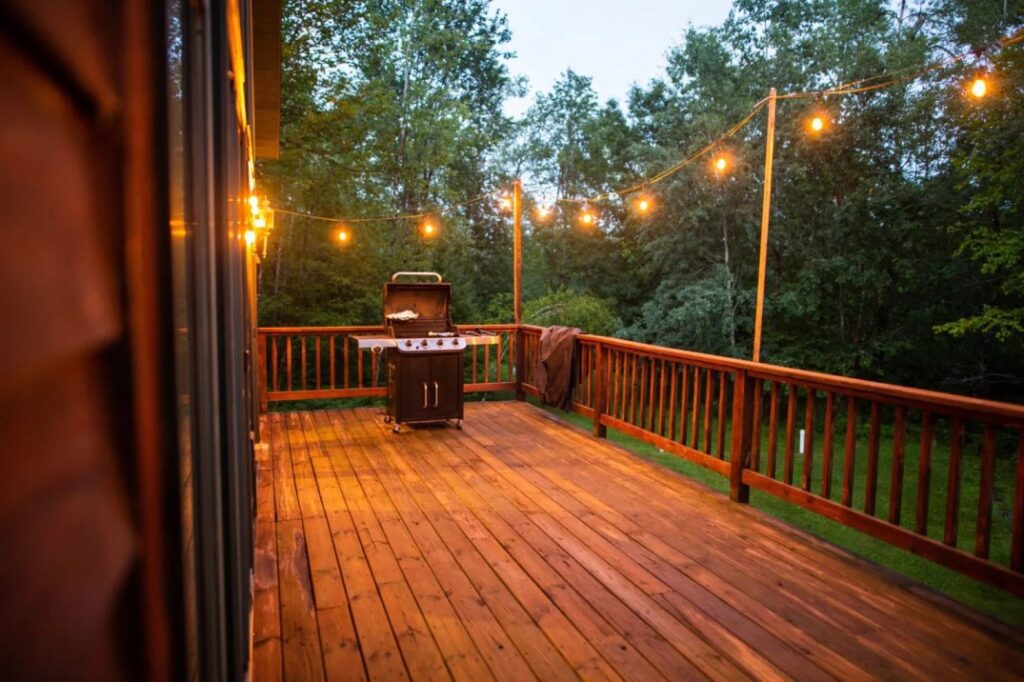
Wooden decking is a popular choice for creating a cozy and luxurious atmosphere on balconies. It provides a natural look and feels warm underfoot, making it ideal for those who enjoy spending time in a relaxing, nature-inspired outdoor space.
Advantages:
- Natural Aesthetic: Wood provides an earthy and warm look that blends well with greenery, creating a peaceful ambiance on your balcony. The organic texture and grain patterns add visual interest and charm, making it perfect for a serene retreat or a stylish entertaining space.
- Comfort: Wooden floors are relatively soft underfoot, making them more comfortable for sitting or walking barefoot compared to harder materials like stone or ceramic. The surface tends to stay cooler in summer and warmer in winter, enhancing the overall comfort of your outdoor area.
- Durability: When treated properly, wood can withstand outdoor weather conditions. Pressure-treated hardwood and composite wood are especially durable and resistant to moisture, insects, and decay. With the right finish and care, wooden decking can last for many years without losing its appeal.
Disadvantages:
- High Maintenance: Wooden decking requires regular maintenance to prevent it from getting damaged due to rain, sun exposure, and humidity. You’ll need to treat the wood periodically such as sealing, staining, or applying protective coatings to prevent warping, cracking, or fading over time.
- Cost: Natural wood can be more expensive than other flooring materials, especially if you choose high-quality options like teak, Ipe, or mahogany. Installation and maintenance costs can also add up, making it a more premium choice overall.
Outdoor Vinyl Flooring
Outdoor vinyl flooring has gained popularity due to its durability and ease of maintenance. It’s an excellent option for those looking for an affordable and practical flooring solution, especially in climates with variable weather.
Advantages:
- Waterproof: Vinyl is highly resistant to water, making it ideal for balconies that experience heavy rainfall or high humidity. Its non-porous surface prevents water from seeping through, reducing the risk of mold buildup.
- Durability: Vinyl is resistant to scratches, stains, and fading, ensuring that your balcony floor remains in excellent condition over time. It can handle moderate foot traffic and is less prone to wear and tear compared to some other materials, making it a reliable long-term option.
- Variety of Designs: Vinyl comes in various colors and designs, including options that resemble wood, stone, or tile. This allows you to achieve the aesthetic you want without the higher cost or maintenance associated with natural materials.
- Affordable: Compared to materials like stone or hardwood, vinyl is relatively inexpensive and provides great value for money. It offers a balance of function and style, making it accessible for a wide range of budgets.
Disadvantages:
- Less Aesthetic Appeal: While vinyl can look good, it may not have the same high-end appeal or tactile warmth as natural materials like wood or stone. In luxury settings, it might not deliver the same visual or textural richness.
- Heat Sensitivity: Some vinyl products can become brittle or damaged when exposed to extreme heat over time. Prolonged exposure to direct sunlight or very high temperatures can affect the material’s integrity, so it’s important to choose high-quality, UV-resistant vinyl if you live in very hot regions.
Stone Flooring (Granite, Marble, Slate)
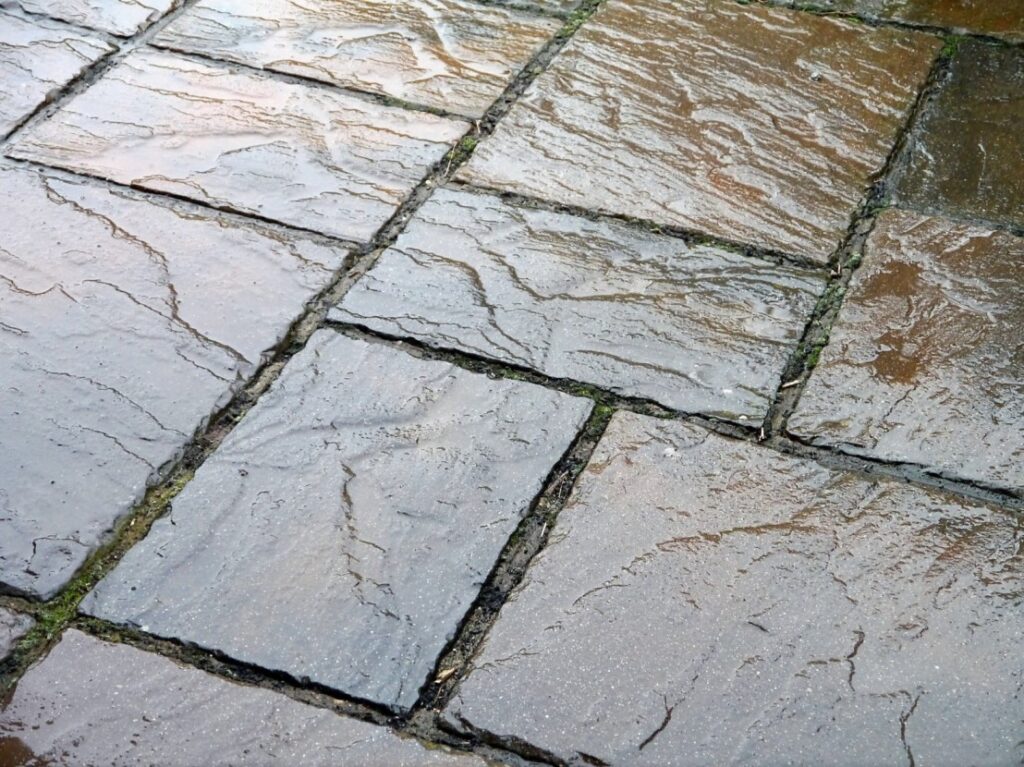
Stone flooring, such as granite, marble, and slate, is a premium option that offers both durability and beauty. These natural materials are ideal for those looking to create a luxurious and sophisticated balcony space that stands out.
Advantages:
- Elegance and Luxury: Natural stone provides a timeless, elegant appearance that enhances the aesthetic appeal of any space. Its unique veining, texture, and color variations make each installation distinctive, adding a sense of exclusivity and refinement to your balcony.
- Durability: Stone is extremely strong and long-lasting, making it perfect for balconies exposed to the elements. It can resist scratches, impacts, and wear while maintaining its structural integrity for many years, even under heavy foot traffic.
- Heat Resistance: Stone floors can withstand high temperatures, making them ideal for hot Indian climates. They tend to stay cooler underfoot compared to other materials, providing a comfortable surface even during scorching summers.
Disadvantages:
- Cost: Natural stone floors can be expensive, especially for premium options like marble or high-grade granite. The cost includes not only the material itself but also installation and possible repairs over time.
- Maintenance: Stone floors may require sealing to prevent water absorption and staining, especially in outdoor settings prone to rain and humidity. Cleaning may need special attention with appropriate stone-safe products to preserve the stone’s natural beauty and prevent damage.
Artificial Grass or Turf
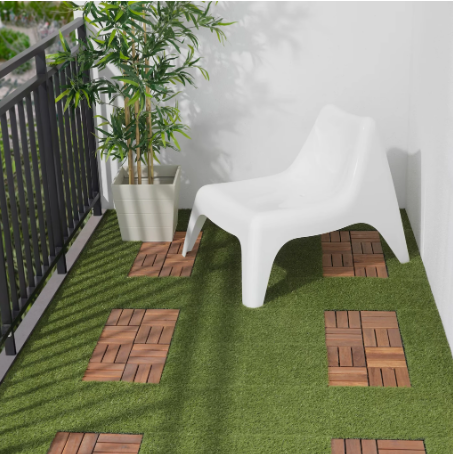
For those who love the look of greenery but want a low-maintenance option, artificial grass is a great alternative. It gives your balcony a lush, green appearance without the need for constant watering or care, helping you enjoy a natural vibe effortlessly.
Advantages:
- Low Maintenance: Unlike real grass, artificial turf doesn’t need to be watered, mowed, or fertilized, making it perfect for busy individuals or those who may not have the time or resources to care for natural plants. It requires very little cleaning, usually just a quick rinse to remove dust or debris, keeping your balcony looking pristine with minimal effort.
- Comfortable: It feels soft and cushioned underfoot, creating a comfortable surface for barefoot walking, lounging, or entertaining guests. This makes your balcony more inviting and usable as a cozy outdoor living area, especially if you enjoy spending time outdoors.
- Greenery All Year Round: Artificial grass maintains its vibrant, fresh look throughout the year, regardless of the weather conditions. Unlike natural grass that may brown, patch, or wither during extreme heat or cold, artificial turf remains consistently lush, providing a lively, green space even in harsh climates.
Disadvantages:
- Synthetic Appearance: While artificial grass looks good from a distance, it may not fully replicate the natural feel or subtle variations found in real grass. Some people may notice the uniform color and texture, which can feel less authentic or visually dynamic compared to living greenery.
- Heat Retention: Artificial grass can absorb and retain heat, becoming quite warm under direct sunlight, especially during hot summer months. This can make the surface uncomfortable to walk on barefoot without shade or cooling solutions, which may require additional planning if you live in a particularly sunny or warm region.
Concrete Flooring
Concrete is a practical and cost-effective option for balconies. Its versatility allows it to be customized with different finishes and coatings, making it easy to match a wide range of aesthetic preferences—from sleek, contemporary designs to more rustic or industrial looks.
Advantages:
- Durability: Concrete is highly durable and can withstand heavy foot traffic, making it perfect for balconies that see frequent use. It is resistant to wear, impact, and varying weather conditions such as rain, heat, and cold, ensuring a long-lasting flooring solution that requires minimal repairs.
- Customizable: Concrete can be stamped, stained, or painted to create a variety of looks and textures. Whether you want a smooth, polished finish or a more textured, slip-resistant surface, concrete offers many design possibilities to complement your balcony’s style and personality.
- Affordable: Concrete is generally more affordable than many other flooring options, especially when covering larger balcony areas. Its cost-effectiveness combined with durability makes it a popular choice for homeowners seeking to balance budget with style and longevity.
Disadvantages:
- Cold and Hard Surface: Concrete can feel cold and hard underfoot, which may reduce comfort, especially if you enjoy walking barefoot or spending long periods standing on your balcony. To improve comfort, you can add outdoor rugs, cushioned mats, or comfortable seating.
- Cracking: Over time, concrete can develop cracks, particularly in regions experiencing extreme temperature fluctuations or if it was not properly installed. These cracks can sometimes compromise the appearance and require periodic sealing or repairs to maintain a smooth, safe surface.
3. Factors to Consider When Choosing Balcony Flooring
When selecting the right flooring for your Indian balconies, there are several important factors to consider to ensure your outdoor space is both beautiful and functional:
- Climate: When choosing balcony flooring, start by considering your local climate. The right material can prevent long-term damage and enhance safety. In regions with heavy rainfall or high humidity, opt for water-resistant materials such as vinyl, ceramic, or porcelain tiles. These not only withstand moisture but also help prevent slipping hazards due to their textured surfaces. For areas with intense heat or sun exposure, materials like natural stone, treated wood, or concrete are ideal, as they can endure high temperatures without warping or fading. Choosing materials suited to your environment ensures better performance and longevity.
- Durability: Outdoor flooring for Indian balconies is exposed to more stress than indoor surfaces, so durability is key. Look for materials that can resist foot traffic, fluctuating temperatures, rain, UV rays, and even snow or frost in colder regions. Durable materials, such as composite decking, natural stone, or porcelain tiles, require fewer repairs or replacements over time, saving you money and effort. Prioritizing strong, weather-resistant flooring ensures your balcony remains functional and attractive for years.
- Maintenance: Consider how much upkeep you are willing to commit to. Some materials require regular sealing, cleaning, or treatment to maintain their appearance and performance. If you prefer a low-maintenance balcony, look into options like vinyl, artificial grass, or ceramic tiles, which are generally easier to care for.
- Aesthetics: Choose flooring that complements your home’s overall aesthetic and personal style. Whether you prefer a natural, rustic look with wooden decking or stone, or a sleek, modern design with polished tiles or concrete, there are plenty of flooring options available to help create the ambiance you desire.
4. Best Flooring for Different Climates in India
India’s climate varies from region to region, so it’s essential to select flooring that works well in your specific area:
- Tropical Climates (Coastal Areas): In regions with high humidity and heavy rainfall, such as coastal areas, moisture-resistant flooring options are a must. Tiles especially ceramic and porcelain vinyl, and natural stone are excellent choices because they resist water absorption, prevent mold growth, and are relatively easy to clean and maintain despite frequent wet conditions.
- Hot and Dry Climates (Northern & Central India): For hot and dry regions, materials that can withstand intense heat and strong sunlight are ideal. Concrete, natural stone, and tiles work well here as they are highly durable, heat-resistant, and help keep your balcony surface cooler underfoot during scorching summer days.
- Temperate or Mild Climates (Hill Stations): In cooler hill stations or temperate zones where temperature fluctuations are mild, wooden decking and artificial grass are great options. Wooden floors add warmth and natural charm, while artificial grass offers greenery without the need for intensive care, both enhancing comfort in these more moderate climates.
5. Conclusion
Choosing the right flooring for Indian balconies is crucial for creating a beautiful and functional outdoor space. With the right material, you can enjoy your balcony year-round, whether you’re sipping a cup of tea in the morning or hosting a small gathering in the evening. Ceramic tiles, stone flooring, wooden decking, and vinyl all offer unique benefits based on your personal preferences and the climate in which you live.
By considering factors like climate, durability, maintenance, and aesthetics, you can select the perfect flooring for Indian balconies that suits your needs and style. A well-designed balcony with the right flooring can significantly enhance your home’s outdoor experience