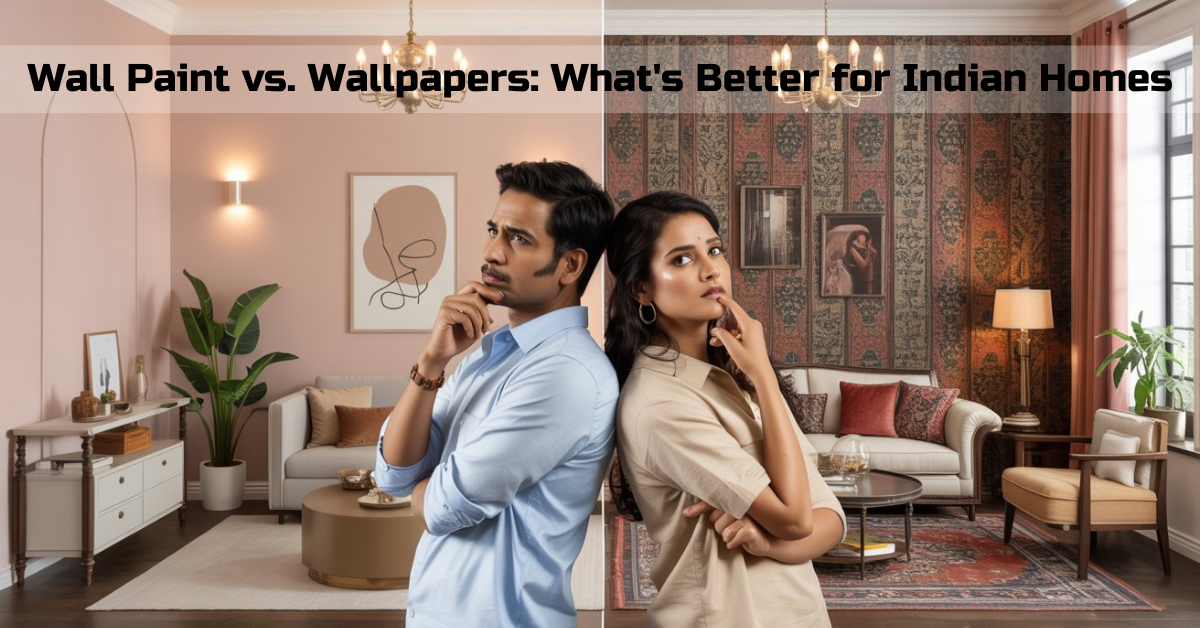
Choosing the right wall finish plays a big role in shaping the mood, personality, and long-term value of your home. In Indian homes, where climate, lifestyle, and personal taste vary widely, the debate of Wall Paint vs. Wallpapers becomes more than just a design preference, it’s a practical decision. Wall paint offers ease, flexibility, and a clean look, while wallpaper brings texture, depth, and detailed patterns that paint may not easily replicate. Each option transforms a space in its own way and carries unique benefits in terms of cost, durability, and maintenance. To make the right choice, it’s important to understand how these finishes respond to local conditions, how they perform over time, and how they align with your interior goals. This guide breaks down the key differences, helping homeowners make informed decisions that balance aesthetics, functionality, and budget.
In this blog, we’ll dive deep into the debate of wall paint vs. wallpapers and help you decide which is the right choice for your Indian home. By comparing both options in terms of aesthetics, longevity, ease of maintenance, and cost, we’ll guide you to make an informed decision.
Table of Contents
- Why Wall Finishes Matter in Indian Homes
- Wall Paint: An Overview
- A. Aesthetic Appeal
- B. Durability and Maintenance
- C. Application Process
- D. Cost
- Wallpapers: An Overview
- A. Aesthetic Appeal
- B. Durability and Maintenance
- C. Application Process
- D. Cost
- Wall Paint vs. Wallpapers: A Detailed Comparison
- A. Style and Design Options
- B. Durability and Lifespan
- C. Installation and Maintenance
- D. Budget Considerations
- Which Is Better for Indian Homes?
- A. Factors to Consider
- B. Recommendations for Different Room Types
- Conclusion
1. Why Wall Finishes Matter in Indian Homes
In Indian homes, walls do more than divide rooms they shape how a space looks and feels. The right wall finish can enhance the mood, add visual depth, and support the overall design. Whether building from scratch or updating an old space, this choice plays a key role in the outcome.
Paint and wallpaper are popular options, each offering a different style and impact. Paint gives a clean, simple look and is easy to refresh. Wallpaper adds pattern, texture, and a layered visual appeal. The right option depends on lifestyle needs, design goals, and how often the space may need change.
India’s diverse climate adds another layer to this decision. High humidity, heat, and dust vary across regions and can affect how wall finishes perform. In the context of Wall Paint vs. Wallpapers, this becomes especially important, as each option reacts differently to local conditions. Many homeowners prefer low-maintenance, long-lasting solutions that can handle daily wear and environmental stress without frequent repairs. A well-chosen wall finish can offer beauty, function, and resilience, all essential for modern Indian living
2. Wall Paint: An Overview
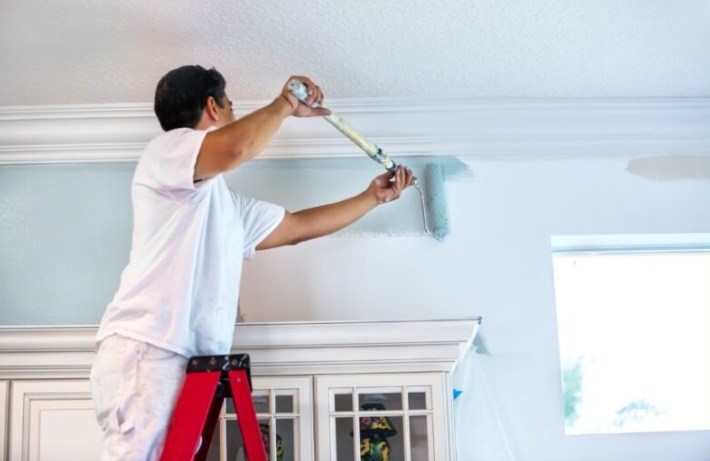
Wall paint is a widely used choice in Indian homes due to its simplicity, flexibility, and cost-effectiveness. It fits well across different spaces, from compact flats to larger houses, and offers a broad range of color and finish options to suit various design styles. Paint allows quick updates and works well with other interior elements like furniture and lighting. In Indian conditions, it performs well in high temperatures and is easy to maintain. Newer paint types also offer features like stain resistance and washability, adding to their practical value.
Proper surface preparation is important to avoid issues like peeling or uneven coverage. Though it may require reapplication over time, paint remains a reliable and adaptable option for creating fresh, clean interiors.
A. Aesthetic Appeal
Wall paint offers a wide variety of colors, textures, and finishes to suit different interior styles, it is modern, classic, or minimal. From soft neutrals to vibrant tones, paint gives you the freedom to set the mood of a space with ease. Finish options like matte, satin, gloss, and eggshell each bring a different visual effect, allowing you to control how light interacts with the surface.
A painted wall creates a smooth, clean look that enhances room brightness and adds a sense of depth. Accent walls, soft gradients, or monochrome schemes can all be achieved with paint, making it a flexible choice for creative expression. It also allows for easy customization through techniques like stenciling, hand-painted designs, or murals, ideal for adding a personal or artistic touch to your home without major effort.
B. Durability and Maintenance
Wall paint offers strong performance in everyday use, especially in areas with regular foot traffic like hallways, kitchens, and living rooms. A properly applied coat of quality paint can hold up for years without needing major attention. It resists fading and discoloration when maintained well and can be easily cleaned with a soft cloth or sponge, making routine upkeep simple.
The long life of a painted surface, however, depends on several factors. Paint quality, surface preparation, and the room’s exposure to heat, moisture, or direct sunlight all influence how it performs over time. In spaces with high humidity or frequent contact, paint may start to chip, crack, or peel if not applied correctly or maintained regularly. Still, when chosen and applied with care, paint provides a reliable and low-maintenance wall finish for most Indian homes.
C. Application Process
Painting walls is a fairly simple task, making it a popular choice for quick home upgrades. While the process is easy to understand, achieving a smooth and uniform finish takes some skill and patience. Homeowners can take the DIY route for smaller areas, but for larger rooms or a polished outcome, hiring professionals often gives better results.
Most walls need more than one coat to achieve full coverage and a rich, even tone. Each coat must dry properly before the next one is applied, which can extend the total time required to complete the job. The overall duration depends on the size of the room, surface condition, and type of paint used. With proper planning and preparation, the process can move smoothly and deliver long-lasting results.
D. Cost
Wall paint is often the more economical option, which makes it a practical choice for homeowners looking to manage expenses. It suits both small updates and full-room makeovers without putting too much pressure on the budget. The overall cost depends on factors like paint brand, quality, finish type, and the total surface area to be covered.
Labor charges may increase the final expense if professionals are involved, especially for larger or more detailed projects. However, even with labor included, paint usually remains more affordable than wallpaper. For those seeking a cost-effective solution with good visual impact, wall paint offers strong value.
3. Wallpapers: An Overview
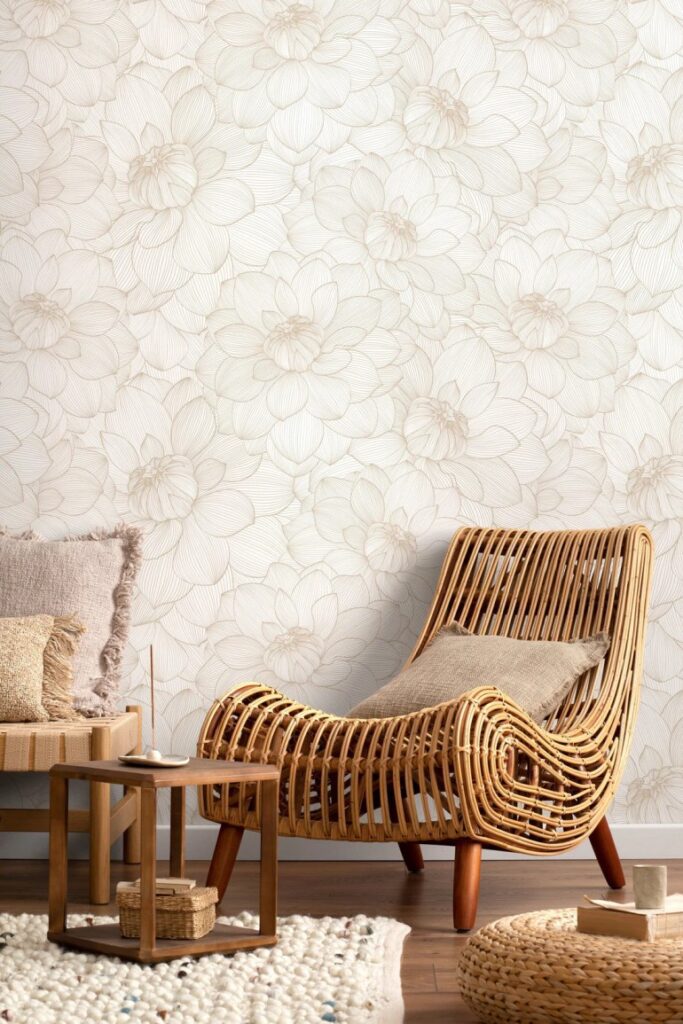
Wallpapers are gaining strong popularity in Indian homes due to their striking visual appeal and wide range of design options. From bold patterns to subtle textures, they offer a unique way to transform walls and add personality to any space. With improvements in quality and availability, more homeowners are now turning to wallpapers to bring a designer touch into their interiors.
Installation has also become more convenient, with modern wallpapers offering peel-and-stick or pre-pasted options that simplify the process. Though professional help is often recommended for a flawless finish, many styles can now be applied with minimal tools. While wallpapers deliver an elegant and detailed look, it’s important to understand their performance, maintenance needs, and how they respond to Indian climatic conditions before making a final choice.
A. Aesthetic Appeal
Wallpapers bring a rich, layered look that paint alone often cannot match. With detailed patterns, elegant textures, and bold visuals, they have the power to completely transform the feel of a room. Whether you want something subtle or dramatic, wallpaper offers endless design possibilities that suit a wide range of interiors.
Options include floral prints, geometric layouts, metallic finishes, wood textures, and more. Each helping to create a specific mood or highlight a feature wall. Wallpapers are available in materials like vinyl, fabric, and non-woven varieties, each offering a different tactile and visual effect. These choices allow homeowners to add depth, character, and a sense of luxury to living rooms, bedrooms, or even corridors with minimal structural change. With the right design, wallpaper can act as a central feature of the room, adding style, warmth, or sophistication in an instant.
B. Durability and Maintenance
Wallpapers are built to last, especially when made from high-quality materials. Their strength and performance depend on the type used vinyl wallpapers, for instance, offer better resistance to moisture and wear compared to paper-based ones. This makes them more suitable for spaces like kitchens, dining areas, or bathrooms where occasional splashes or humidity are common.
While wallpapers can stay intact for several years, they do require careful maintenance. They are easy to wipe clean, but deeper stains, dents, or scratches can be harder to repair without replacing a section. In rooms with high moisture or poor ventilation, some wallpapers may begin to loosen or peel over time if not installed properly.
Wallpapers are built to last, especially when made from high-quality materials. Their strength and performance depend on the type used vinyl wallpapers, for instance, offer better resistance to moisture and wear compared to paper-based ones. This makes them more suitable for spaces like kitchens, dining areas, or bathrooms where occasional splashes or humidity are common.
While wallpapers can stay intact for several years, they do require careful maintenance. They are easy to wipe clean, but deeper stains, dents, or scratches can be harder to repair without replacing a section. In rooms with high moisture or poor ventilation, some wallpapers may begin to loosen or peel over time if not installed properly.
C. Application Process
Wallpaper installation is a detailed task that demands accuracy and careful handling. Measuring, cutting, and aligning patterns must be done with precision to achieve a seamless look. Due to the complexity involved, especially with large prints or textured designs, most homeowners prefer hiring professionals for best results.
The process usually takes more time than painting, particularly in rooms with corners, curves, or uneven surfaces. Before application, the walls must be cleaned thoroughly, and in some cases, primed to help the wallpaper stick properly. Any dust, cracks, or moisture on the surface can affect adhesion and lead to peeling later.
When done correctly, wallpaper installation creates a high-impact finish that instantly enhances the space, but it demands proper planning and skilled execution.
D. Cost
Wallpaper typically comes at a higher upfront cost compared to wall paint, especially when selecting premium designs or imported materials. The overall expense includes both the price of the wallpaper rolls and professional installation, which requires skill and precision. Intricate patterns or textured finishes may further raise the cost.
Despite the higher initial investment, wallpaper can provide long-term value. Its durability and resistance to frequent touch-ups make it a strong choice for those looking to reduce future maintenance. With the right material and care, wallpaper offers a lasting design solution that balances beauty with performance.
4. Wall Paint vs. Wallpapers: A Detailed Comparison
A. Style and Design Options
Wall paint and wallpapers both offer strong design flexibility, but the type of finish you want plays a key role in the decision. In the Wall Paint vs. Wallpapers comparison, paint is ideal for creating smooth, clean walls with a wide choice of colors and finishes like matte, satin, or gloss. It works well for modern, minimal interiors or when you want a soft, uniform background that doesn’t dominate the space.
Wallpapers, on the other hand, bring in textures, patterns, and artistic detail that paint cannot easily replicate. From metallics and fabrics to geometric and floral prints, wallpaper offers endless style possibilities. For homeowners looking to create a visual focal point or introduce character into a room, wallpaper offers a more striking and layered design experience.
B. Durability and Lifespan
Paint generally performs better in high-use or moisture-prone spaces such as kitchens, hallways, or bathrooms. It can withstand frequent cleaning and is easier to touch up in case of stains or damage. High-quality paints can last several years with minimal upkeep.
Wallpapers, if chosen carefully and maintained properly, also offer a long lifespan. Vinyl wallpapers are more moisture-resistant and suited for functional areas, while fabric or textured wallpapers are better for living rooms or bedrooms. However, if exposed to constant humidity or rough use, wallpaper may start to peel or fade over time.
C. Installation and Maintenance
Painting walls is often quicker and less complex. It can be done without heavy tools or training, making it a more accessible option for quick updates. Maintenance is straightforward, painted walls can be cleaned and retouched without replacing large sections.
Wallpaper installation is more detailed and typically requires professional handling for precise alignment and finish. Wall preparation is crucial, and any uneven surface can affect the final result. While modern wallpapers are easier to clean, they are less forgiving when damaged and may need full panel replacement to maintain a uniform look.
D. Budget Considerations
Paint remains the more affordable option, especially for larger areas or frequent makeovers. It allows you to refresh your interiors at a lower cost and offers good results without a major investment. Labor charges are also generally lower compared to wallpaper work.
Wallpapers may involve higher initial costs due to material price and skilled installation. However, they add a touch of luxury and uniqueness that can enhance the overall feel of a space. When chosen for specific accent walls or key rooms, wallpapers can deliver high impact without covering every wall, making the cost more manageable.
5. Which Is Better for Indian Homes?
A. Factors to Consider
Choosing between wall paint vs. wallpapers depends on the specific needs of your space and how each option fits into the overall design plan. Several important factors come into play when making the decision for Indian homes.
- Climate: In humid or coastal regions of India, moisture is a major concern. Traditional wallpaper may not hold up well under such conditions unless it’s specifically designed for it, such as vinyl or moisture-resistant varieties. These wallpapers can withstand humidity without peeling or warping. Alternatively, well-maintained, high-quality paint with moisture-resistant properties (such as anti-fungal or waterproof emulsions) is also a smart and durable option.
- Room Type: The function of the room strongly influences the choice. Paint is often preferred in kitchens, bathrooms, and utility areas where frequent cleaning and heat exposure are common. For living rooms, bedrooms, and study areas, wallpaper adds richness, texture, and a more decorative presence, making the space feel curated and warm.
- Budget: Paint remains the go-to choice for budget-conscious homeowners, offering good coverage and flexibility without high costs. It is ideal for full-room makeovers or frequent updates. Wallpapers, though more expensive upfront, bring a premium look and can create visual drama with minimal surface area. If used thoughtfully such as on a feature wall, they can deliver great value.
- Style: Design taste plays a big role. For clean lines, simple finishes, or minimal styling, paint works well and supports a fresh, understated look. On the other hand, wallpapers are ideal for those who enjoy pattern, detail, or texture and want to add depth or personality to their space.
B. Recommendations for Different Room Types
- Living Room: This is often the most visible and frequently used space in a home, making it ideal for design statements. Wallpapers with bold patterns, textures, or metallic finishes can add visual interest and become the highlight of the room. A feature wall behind the sofa or TV unit can instantly elevate the space. For a clean and modern setting, paint works well, especially in soft neutrals or warm earth tones that create a calm yet welcoming environment.
- Bedroom: Comfort and relaxation are key in bedrooms. Wallpapers with soft patterns, nature-inspired motifs, or calming textures help build a peaceful atmosphere. They add warmth and style without overwhelming the senses. For those who prefer simplicity, light-colored paint in shades like ivory, pale grey, or pastel tones can create a restful and airy space. Accent walls behind the bed, painted or wallpapered can add visual depth without clutter.
- Kitchen and Bathrooms: These areas need finishes that are durable and easy to clean. Wall paint is the more practical choice here due to its resistance to steam, stains, and everyday wear. High-quality, washable paint helps maintain hygiene and appearance with minimal effort. In select dry sections of the kitchen or powder room, moisture-resistant vinyl wallpaper can be used for a touch of design, but it must be applied carefully with proper surface preparation.
6. Conclusion
The choice between wall paint vs. Wall Paint vs. Wallpapers: What’s Better for Indian Homeswallpaper depends on how you want your home to look, feel, and function over time. Each option brings its own strengths. Paint offers simplicity, quick updates, and cost-efficiency, making it ideal for everyday spaces and frequent changes. It adapts easily to Indian climates and supports both modern and traditional styles with ease.
Wallpaper, on the other hand, adds richness, texture, and design depth that can transform a plain wall into a visual highlight. With the right selection and care, it creates lasting impressions and brings a designer touch to personal spaces.
For Indian homes that face diverse weather, changing trends, and evolving lifestyle needs, the decision should align with your space, usage, and aesthetic goals. A thoughtful mix of both paint in high-use areas and wallpaper for visual impact can strike a balance between beauty and practicality. By understanding what each surface finish offers, you can create interiors that are both timeless and tailored to your way of living.