Interior design has the power to transform a space, though even small mistakes can disrupt its flow and purpose. Many homes lose their charm due to overlooked details, poor choices, or lack of planning. Issues like improper lighting, mismatched furniture, cluttered layouts, or ignoring proportions can affect both comfort and style. These problems are easy to make but can be prevented with a clear understanding of design principles. By staying mindful of common errors, you can shape interiors that feel balanced, practical, and visually appealing from the start.
In this guide, you’ll explore key insights to help you avoid common interior design mistakes and create a more thoughtful living space. Each point highlights simple yet effective ways to fix design errors that can affect comfort, flow, and overall style. From layout planning to lighting choices, the tips shared here aim to help you build a home that feels clear, functional, and visually balanced. By understanding what often goes wrong in design, you’ll be better prepared to make smart decisions that suit your space and lifestyle.
Table of Contents
- The Importance of Thoughtful Interior Design
- Common Interior Design Mistakes
- Mistake 1: Ignoring the Layout
- Mistake 2: Overcrowding the Space
- Mistake 3: Poor Lighting Choices
- Mistake 4: Choosing the Wrong Color Scheme
- Mistake 5: Not Considering Functionality
- Mistake 6: Forgetting About Scale and Proportion
- Mistake 7: Overlooking Storage Needs
- Mistake 8: Following Trends Blindly
- How to Avoid These Common Interior Design Mistakes
- Plan First
- Consider Hiring a Professional
- Measure Everything
- Consider Your Lifestyle
- Test Before You Commit
- Conclusion: Design with Purpose and Style
1. The Importance of Thoughtful Interior Design
Interior design plays a direct role in shaping how we experience a space. It influences how we move, feel, and interact within our surroundings. A carefully designed home creates comfort, supports daily tasks, and brings a sense of order.Good design helps a space feel complete and intentional. Design is not just about appearance; it guides how a space works in real life. A clear layout improves flow and makes movement easier. Proper lighting improves visibility and adds warmth. Materials bring texture and help define the mood of a room. Thoughtful design reduces stress and supports daily routines by keeping the space clear and purposeful. It creates an environment that responds to the needs of those who live in it. A well-designed home feels balanced, lived-in, and personal, making each moment inside it more meaningful.
2. Common Interior Design Mistakes
Let’s take a look at some of the most common interior design mistakes and how they can affect the overall feel of your home.
Mistake 1: Ignoring the Layout

Layout is one of the most important parts of interior design. It controls how a space feels and how easily people can use it. When the layout is poorly planned, even a beautiful room can feel uncomfortable or difficult to use. Crowded corners, blocked walkways, or misplaced furniture can make daily activities harder and reduce the overall value of the design.
How to Avoid It: Start by defining the main purpose of the room. Think about how people will move, sit, and interact within the space. Keep walkways clear and place furniture where it supports comfort and ease of use. Avoid placing items that block doors, windows, or movement. If planning feels overwhelming, working with an interior designer or architect can make the process smoother. Their experience helps in identifying the right layout based on function and flow. With the right guidance, you can avoid costly mistakes and create a space that feels well-organized and easy to live in.
Mistake 2: Overcrowding the Space
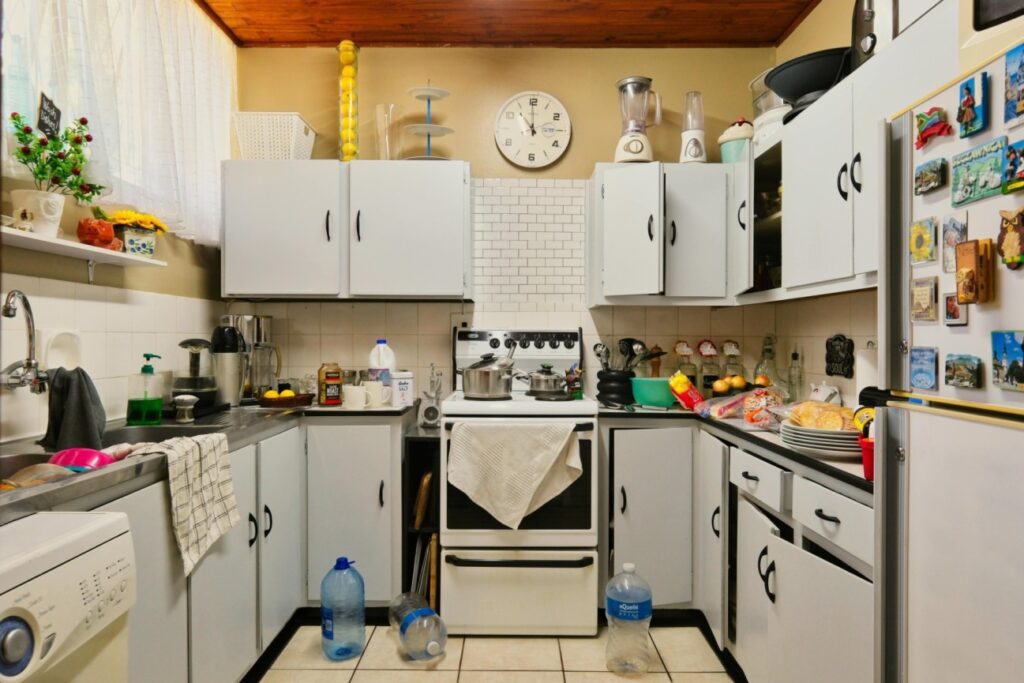
One of the most common mistakes in interior design is overcrowding a room. Filling every corner with furniture or decor creates visual clutter and reduces usable space. It blocks natural movement, limits function, and makes even large rooms feel cramped. A clean, open layout helps the space breathe and improves comfort. Leaving room for negative space allows key elements to stand out and supports better flow throughout the interior.
How to Avoid It: Rather than filling a room with too many items, focus on selecting a few meaningful pieces that are both functional and visually pleasing. Choose furniture that suits the size of the room and serves its intended purpose. In smaller spaces, opt for compact or multifunctional furniture like folding tables, storage ottomans, or sofa beds to make the most of the available area without overcrowding.
Another key tip is to make use of negative space in the open areas between furniture, walls, and decor. These spaces are just as important as the items themselves. Thoughtfully designed negative space helps a room feel open, balanced, and calm. It allows the eye to rest and makes each design element stand out, creating a clean and well-curated look.
Mistake 3: Poor Lighting Choices
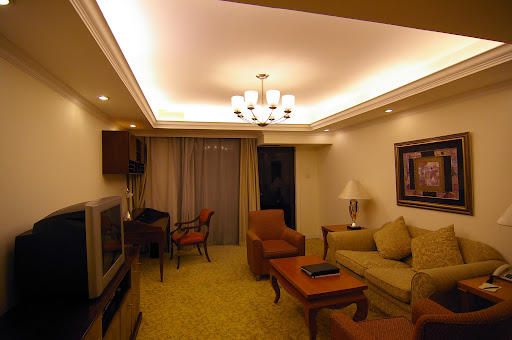
Lighting is often one of the most overlooked parts of interior design. It plays a big role in how a space looks and feels. A room with poor lighting can seem dull and uninviting, while very bright or harsh lighting can make it feel cold and uncomfortable. Even a beautifully designed space can lose its appeal and usefulness if the lighting isn’t right.
How to Avoid It: Try layering different types of lighting to suit various needs and activities, instead of depending on just one overhead light. Start with ambient lighting to light up the whole room, then add task lighting for things like reading, cooking, or working. Use accent lighting such as floor lamps, wall lights, or under-cabinet strips to highlight special features or create a warm, inviting corner. This adds depth and character to the room.
Also, try to make the most of natural light. It boosts mood, adds warmth, and makes the space feel more open. Keep windows free from heavy curtains during the day, use light fabrics that let sunshine in, and place mirrors where they can reflect light around the room. The goal is to create a space that feels bright, comfortable, and useful at any time of day.
Mistake 4: Choosing the Wrong Color Scheme
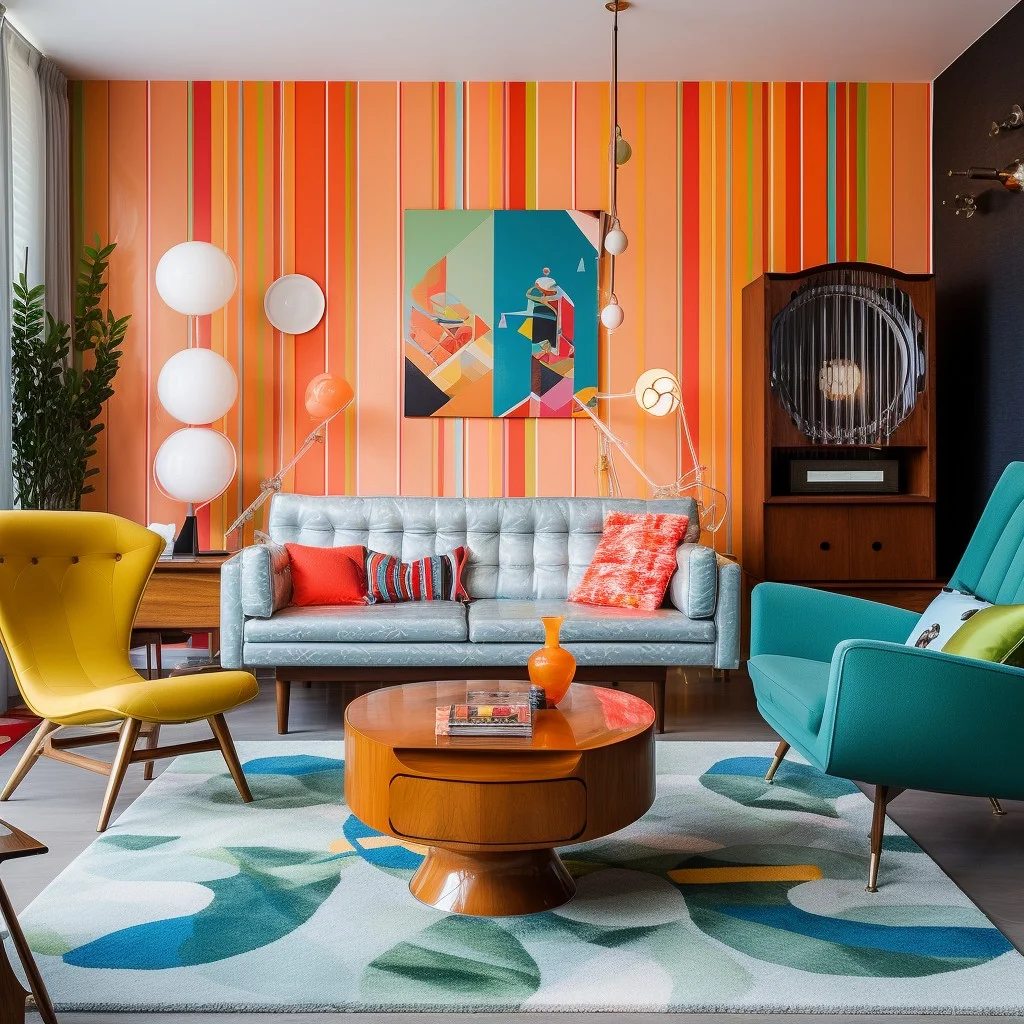
Color strongly influences the mood and visual size of a room. Poor color choices such as overly bold, mismatched, or dark tones can make a space feel heavy or unbalanced. Colors should be chosen in relation to lighting, furniture, and surrounding elements. A well-planned palette brings harmony, enhances natural light, and supports the overall feel of the space.
How to Avoid It: Begin with a neutral base for walls, flooring, and large furniture pieces. This creates a calm backdrop that stays timeless and allows easy updates through small changes. Once the base is set, bring in accent colors through cushions, rugs, artwork, or decor. This adds character without making the space feel crowded or loud. A balanced mix of base and accent tones keeps the room visually stable and inviting.
To make the most of your color choices, consider how lighting affects them throughout the day. Bright rooms can support deeper tones without feeling heavy, while compact or dim spaces benefit from lighter shades that reflect more light. Testing paint samples on different walls helps reveal how each color reacts to natural and artificial light. This step ensures that the final palette feels consistent and blends smoothly with the overall design.
Mistake 5: Not Considering Functionality
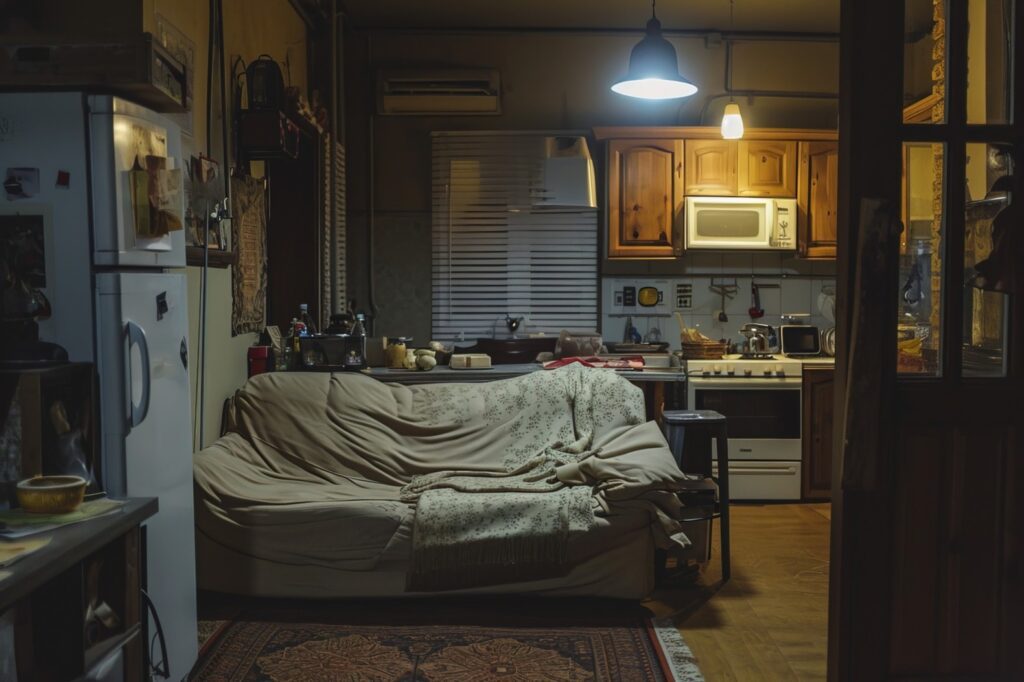
A room that looks impressive at first may still fall short if it doesn’t support daily use. Focusing only on appearance often leads to discomfort and poor function. A design that works in photos but feels awkward in real life fails to meet everyday needs. True success in interiors comes from creating spaces that feel good to use and look good over time.
How to Avoid It: Design with daily life in mind, not just style trends. Focus on how each space will be used and choose materials and furniture that match your routine. For homes with children or pets, use stain-resistant fabrics, scratch-proof flooring, and rounded furniture edges for safety. In high-use areas, plan for smooth movement and easy upkeep through practical layouts and durable finishes.
Give each room a clear purpose. When a space takes on too many roles, it often becomes cluttered and less useful. For multi-use rooms, create separate zones with furniture placement, rugs, or lighting to define each area and maintain flow. Include built-in storage or vertical shelving to reduce mess and keep everything organized. When every element is planned with care, the home becomes more functional, efficient, and comfortable to live in.
Mistake 6: Forgetting About Scale and Proportion
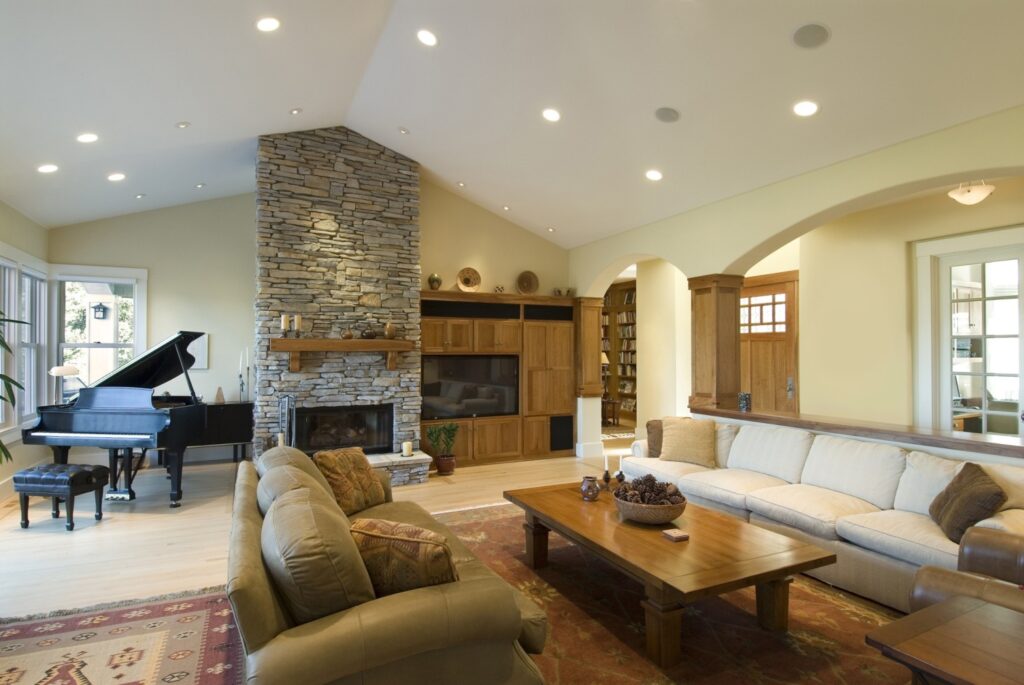
Furniture and decor must match the scale of the room to feel right. One common mistake is choosing pieces that are too large or too small for the space. Oversized items can limit movement and make the room feel cramped. Undersized furniture can leave the space looking empty and disconnected. Selecting the right size creates balance, improves flow, and makes the room more comfortable to use.
How to Avoid It: Start by measuring the room carefully, including ceiling height, wall length, and floor space. This helps you choose furniture that fits without crowding or leaving gaps. In compact areas, select clean-lined, multi-use pieces that save space. In larger rooms, pick solid, well-sized furniture that brings weight and structure without overwhelming the layout.
Accessories like rugs, lights, mirrors, and artwork should match the scale of the room and the furniture around them. A small rug under a large sofa or a tiny frame on a big wall can break visual harmony. For balance, group smaller items or use bold, larger pieces that hold attention. When scale and proportion are considered, the space feels unified, comfortable, and well-planned.
Mistake 7: Overlooking Storage Needs
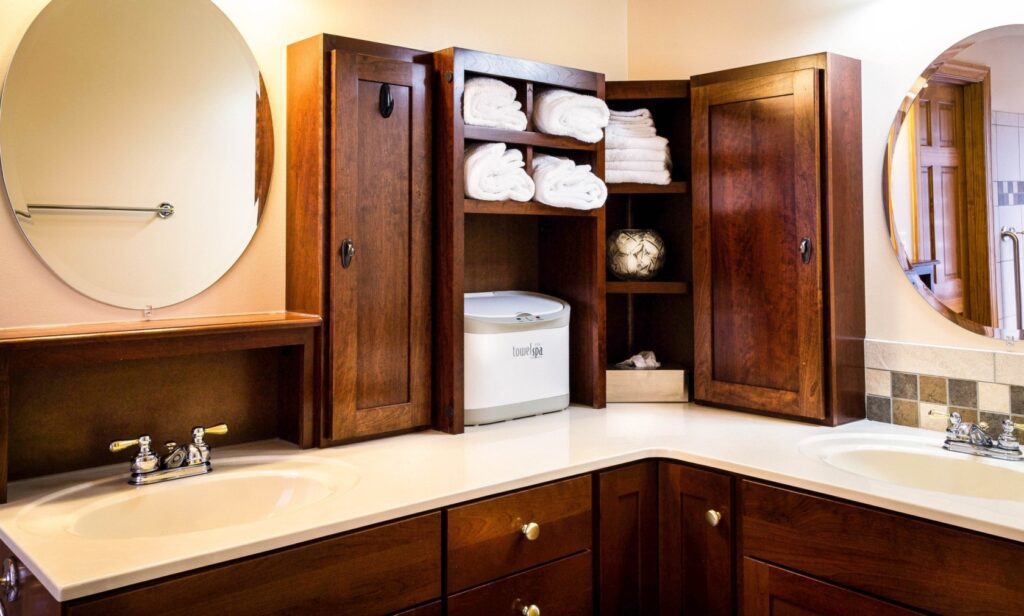
Clutter can weaken the well-designed room. Even with carefully chosen decor, a space feels uninviting when items are scattered around. This usually points to a lack of proper storage. Without planned storage, surfaces get crowded and the room loses its clean look. To maintain a neat and welcoming environment, every item should have a place. Thoughtful storage keeps daily essentials out of sight and supports a calm, organized setting.
How to Avoid It: Include storage in the design from the beginning. Select furniture that serves more than one purpose, such as beds with drawers, ottomans with compartments, benches with storage below, or coffee tables with built-in shelves. These choices help keep the space tidy while still supporting the overall style.
Make use of vertical space, especially in compact rooms. Install wall-mounted shelves, tall cabinets, or floating units to add storage without using up floor area. Match storage solutions to your daily routine. Place bookshelves near reading spots, use labeled drawers in creative areas, and hang baskets or hooks near entryways to manage shoes, keys, or bags. This approach keeps the room functional and easy to maintain.
Mistake 8: Following Trends Blindly
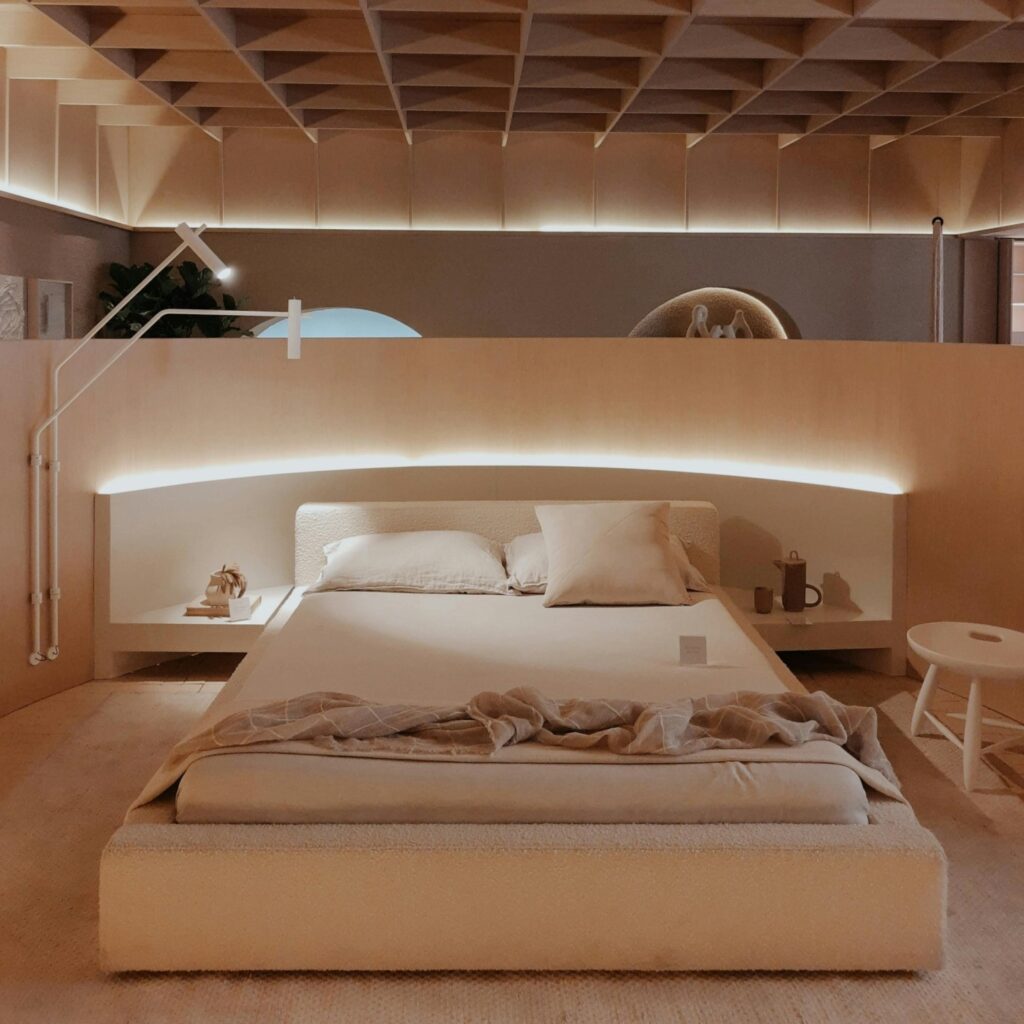
Following trends can bring fresh ideas, but shaping your entire space around them often leads to short-lived results. Styles shift fast, and what looks current now may feel outdated before long. A room built only on passing fads may seem appealing at first, yet it can lose charm if it doesn’t match your personality or daily needs. Focus on choices that feel true to you. This approach builds a lasting design that stays comfortable, meaningful, and suited to how you live.
How to Avoid It: Trends work best when added with care, not out of impulse. Use them in smaller elements like cushions, artwork, or decorative accents. These can be updated easily as styles shift. Focus the main design around lasting elements, solid furniture, neutral shades, and reliable materials that stay attractive over time. Let your choices reflect your lifestyle and preferences. Think about what feels natural, what suits your habits, and what creates comfort. A home that mirrors your personality stays appealing regardless of changing styles. By mixing timeless design with thoughtful trend touches, your space stays both fresh and personal.
3. How to Avoid These Common Interior Design Mistakes
Now that you’re familiar with the most common interior design pitfalls, here are a few key strategies to help you steer clear of them and create a space that’s both beautiful and functional:-
- Plan First: Start with a clear plan. Random purchases often lead to a cluttered space that lacks flow. Begin by understanding the room’s size, features, and purpose. Gather ideas, create a mood board, and build a design direction based on colors, textures, and furniture styles that support your vision. This approach helps every decision stay connected to the overall goal.
- Consider Hiring a Professional: An interior designer brings clarity to the process. They understand space, scale, and material selection. Their experience helps you to avoid mistakes while creating a design that feels right and functions smoothly.. A designer can also offer solutions you may not have thought of, saving time and helping you stay on track with your vision.
- Measure Everything: Take accurate measurements before selecting anything. Measure the room, doorways, and existing items. Compare those with the size of what you plan to bring in. This prevents layout issues and avoids pieces that look too large or too small. A room with the right scale feels balanced and welcoming.
- Consider Your Lifestyle: Think about your daily routine. A good design supports how you live. Whether it’s working from home, spending time with guests, or managing kids and pets, your lifestyle should shape the design choices. Select durable finishes, keep movement easy, and use storage that suits your needs. When design aligns with your habits, comfort and function come naturally.
- Test Before You Commit: Always test materials before making final choices. Colors and textures can look very different once placed in your home. Light, shadows, and surrounding surfaces affect how they appear. Apply paint samples on different walls, view fabric swatches in natural and artificial light, and imagine how each element fits into the setting. A small test now can prevent costly changes later and lead to a more unified result.
4. Conclusion: Design with Purpose and Style
Great interior design doesn’t happen by accident. It comes from careful planning, a clear sense of purpose, and a balance between how things look and how they work. By avoiding common design mistakes, you set the stage for a home that is not only beautiful but also functional and personal. Every detail from layout and lighting to scale and storage plays a role in how the space feels and works.
Create spaces that fit your lifestyle, support your daily routines, and reflect your personality. When done thoughtfully, any room can become a calm, stylish, and comfortable place to be. In the end, good design is about more than looks; it’s about how your home makes you feel. Keep that in mind, and you’ll create a space that’s both inviting and truly your own.