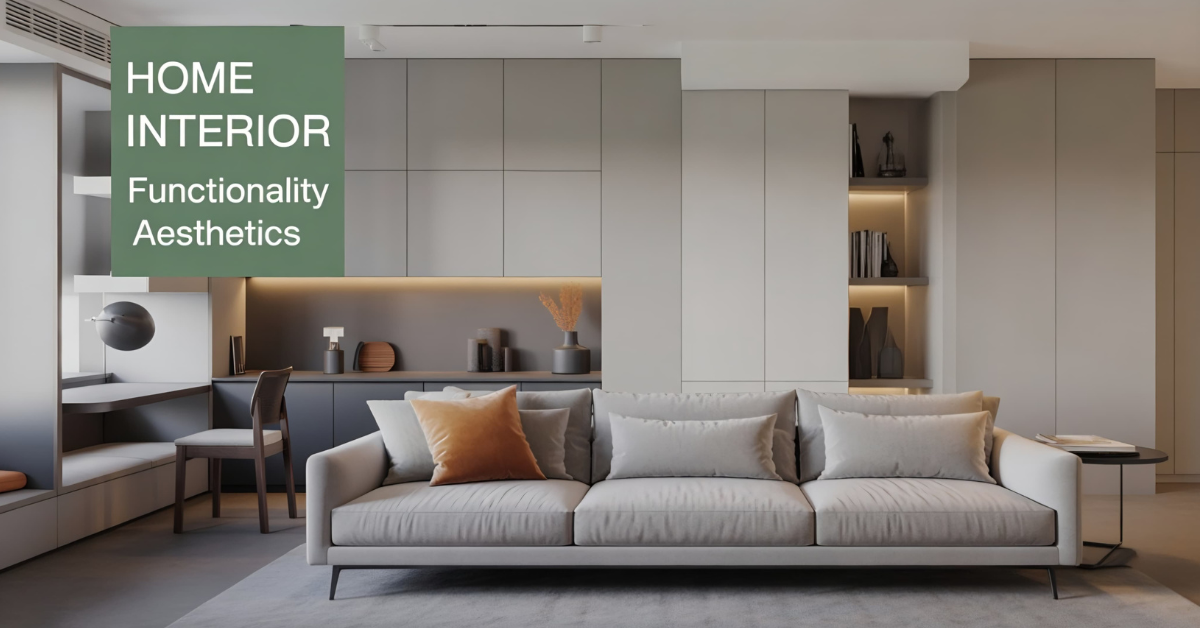
A well-designed home brings comfort, purpose, and style into one seamless space. An elegant room loses its charm if it makes daily tasks inconvenient, while a purely practical space can feel dull without visual appeal. To find the right balance, it’s important to plan with both functionality and aesthetics in mind. Functionality & aesthetics in home interiors play a vital role in shaping spaces that are both beautiful and livable.
Common challenges often appear during the process. Furniture may feel too big or too small. A room might look stylish but lack comfort or easy movement. Lighting can be attractive but not practical. Some materials may not last with regular use.These issues are easy to fix with smart choices. Select furniture that fits the space and suits your needs. Use lighting based on how the room is used. Pick materials that are strong and still feel warm. A clear layout and a simple color scheme can tie everything together. Don’t worry, creating a balanced, livable home is very possible with the right approach.
In this guide, you’ll discover practical tips to help you combine functionality and aesthetics in home interiors. Each idea is crafted to help you design rooms that serve your lifestyle while expressing your unique taste. From layout decisions to material choices, every element can contribute to a home that feels complete, comfortable, and visually cohesive.
Table of Contents
- Why Functionality & Aesthetics Matter
- Understanding the Importance of Functionality in Home Interiors
- Defining Functionality
- How Functionality Enhances Daily Living
- The Role of Aesthetics in Home Interiors
- Defining Aesthetics
- Creating Mood and Atmosphere
- Tips for Balancing Functionality & Aesthetics in Home Interiors
- Prioritize Layout and Space Planning
- Choose Multi-Functional Furniture
- Incorporate Natural Light and Ventilation
- Embrace Minimalism for Function and Style
- Use Color Wisely
- Keep Your Design Flexible
- Practical Examples of Functionally and Aesthetically Balanced Spaces
- Living Room
- Kitchen
- Bedroom
- Common Mistakes to Avoid
- Overcrowding a room
- Ignoring the layout and flow
- Prioritizing Looks Over Function
- Overusing Bold Colors or Contrasts
- Design Fundamentals Recap
- Space
- Lines
- Form and shape
- Light
- Color
- Texture
- Patterns
- Conclusion: Achieving the Perfect Balance
1. Why Functionality & Aesthetics Matter
Functionality and aesthetics are both important when designing a home. A functional space makes daily tasks easier and supports your lifestyle. It helps you stay organized, use each area properly, and move through your day with less effort. Aesthetic design adds beauty, sets the tone of the space, and makes it feel warm and inviting. It brings in your personal style and makes the home feel more pleasant to spend time in. When a space looks good and works well, it becomes more enjoyable to live in. This balance helps create a home that feels complete, comfortable, and truly reflects who you are.
2. Understanding the Importance of Functionality in Home Interiors
Before diving into the tips, it’s important to understand what we mean by functionality in home interiors. Functionality refers to how well a space serves its intended purpose. This can involve everything from ease of movement to providing the necessary tools and equipment to carry out day-to-day tasks.
Defining Functionality
Functionality in interior design means shaping each space to support daily activities with ease. Every room should serve a clear purpose while simplifying routine tasks. In the kitchen, a thoughtful layout allows smooth movement between cooking zones. Placement of appliances, counters, and storage must reduce effort and save time. The living room should feel open, comfortable, and ready for multiple uses whether it’s relaxing, entertaining guests, or enjoying time with family. Furniture arrangements should allow easy movement and encourage connection without overcrowding.
A functional home offers practical storage and well-proportioned furniture. Cabinets, shelves, or drawers must be positioned for maximum usefulness to keep clutter under control. Desks and tables should match the user’s needs in both size and comfort. Functionality creates a space that feels natural to use. It improves comfort, supports daily routines, and keeps rooms efficient and orderly. When each element serves a clear role, the home becomes easier to live in and more enjoyable every day.
How Functionality Enhances Daily Living
Functionality makes your life easy and less stressful. When spaces are designed thoughtfully, they support your habits and save your time. Smooth pathways, easy access to essentials, and well-placed lighting can improve how you move through your day. Even small features like accessible switches or a spot to drop keys can make daily routines feel more effortless. Good functionality is not just about space, but how well it works for you. Storage that suits your needs keeps things in order, reducing mess. Clear layouts help you move from one task to another without feeling blocked or distracted. These small details add up and bring a sense of ease to your day.
When your home is built around real-life needs, it becomes more than just a place to stay. It helps you stay organised, reduces daily stress, and makes everyday tasks feel lighter. Over time, this turns into a better quality of life.
3. The Role of Aesthetics in Home Interiors
While functionality ensures that your home serves its practical purposes, aesthetics bring it to life. Beautiful homes ensure beautiful living. Aesthetic design encompasses all the elements that make a space visually appealing. This includes color schemes, furniture styles, textures, and overall design themes.
Defining Aesthetics
Aesthetics shape the visual and emotional experience of your home. They involve color choices, textures, lighting schemes, and spatial flow all of which influence the overall atmosphere. These design elements reflect your personality while setting a tone that may evoke calm, energy, or warmth. Thoughtful styling brings cohesion to a space, making it feel deliberate and welcoming. Every material or detail contributes to the sense of balance, helping a room feel complete. A well-composed interior can improve your mood and enhance everyday living.
A visually pleasing home leaves a lasting impression on guests. It transforms ordinary rooms into meaningful environments that feel personal, grounded, and full of character. When every decision supports a unified design, your home becomes a true reflection of who you are.
Play with Lines, Shapes, and Forms
Lines, shapes, and forms greatly influence how a space looks and feels. Horizontal lines like shelves or low furniture create calm and stability, while vertical lines such as tall cabinets or curtains add height and elegance. Curved lines soften the space and make it feel more inviting. Shapes define the room’s character, geometric shapes bring structure and a modern edge, whereas organic forms like rounded furniture add warmth and flow. When thoughtfully combined, these elements bring visual appeal and harmony to your interiors.
Creating Mood and Atmosphere
The right aesthetics can set the tone of a room. Colors play a significant role in influencing mood. For instance, light, neutral tones can create a calm and peaceful atmosphere, while bold and vibrant colors can inject energy into a room. Similarly, furniture style, lighting, and textures contribute to the overall ambiance of the space.
Aesthetics also help create visual harmony. By carefully selecting the design elements, you can create a cohesive look that flows naturally from one space to another. This helps make the space more comfortable and pleasing to the eye.
4. Tips for Balancing Functionality & Aesthetics in Home Interiors
Now we understand the importance of both functionality and aesthetics, let’s explore practical ways to balance these elements in your home interiors.
Prioritize Layout and Space Planning
A well designed layout solves half of the functionality issues and creates room for designer to add aesthetic feathers. It supports daily activities, improves movement, and creates a welcoming atmosphere. When arranging a room, allow enough open space to move comfortably without obstacles. Furniture should be positioned to encourage easy use and natural interaction. Clear walking paths make each area feel more relaxed and accessible. Rooms that flow without disruption reduce stress and enhance the overall experience. Placement matters not just within a single room, but across the entire home.
Consider how one area transitions into the next. For instance, keeping the dining area near the kitchen simplifies mealtime routines. A layout that maintains these practical connections strengthens usability while supporting the home’s overall design vision. Poor space planning can make even a beautifully decorated room feel cramped or inefficient. In contrast, a well-balanced layout improves both comfort and appearance, turning each area into a space that feels connected, purposeful, and easy to enjoy.
Choose Multi-Functional Furniture
One effective way to balance functionality and aesthetics in home interiors is by using multi-functional furniture. This approach is especially helpful in smaller homes or apartments where space is limited and every piece needs to serve more than one purpose. Multi-purpose furniture allows you to use each area more efficiently while keeping the space open. It reduces the need for extra items that can make a room feel crowded or messy.
For example, a dining table that works as a desk helps in open-plan layouts where space must support both work and meals. A sofa that turns into a bed is a smart solution for homes without a guest room. A coffee table with built-in storage can hold books, remotes, or other daily items while keeping the surface clear. These kinds of pieces offer comfort, save space, and still match your interior style. When furniture is both useful and pleasing to the eye, it helps maintain a clean, functional, and well-balanced living space.
Incorporate Natural Light and Ventilation
Natural light brings visual appeal to your home. It opens up spaces, highlights details, and creates a warm, welcoming atmosphere. Sunlight can make any room feel brighter, more comfortable to spend time in. Large windows, skylights, or well-placed mirrors increase light flow across the interiors.
Ventilation plays a vital role in maintaining freshness. It removes indoor moisture, filters out odors, and improves air quality. A space with steady airflow feels healthier, cooler, easier to breathe in throughout the day. While planning your interiors, consider how to bring in more daylight and encourage natural air movement. These two features improve the visual character of a room, support well-being, and create a more livable, refreshing environment.
Embrace Minimalism for Function and Style
Minimalism focuses on keeping only what adds value. Unnecessary items are removed to create a space that feels clean, modern, and highly functional. This approach reduces clutter, improves flow, and makes daily living more efficient. A simple layout with fewer objects allows rooms to feel open and easy to navigate. Furniture with clean lines, open shelving, and neutral tones helps establish a calm, understated atmosphere. Every item should serve a clear purpose and sit comfortably within its surroundings. By choosing minimalism, you create a home that feels balanced, peaceful, and thoughtfully organized. The result is a space that supports clarity, encourages relaxation, and reflects intentional living.
Use Color Wisely
Colour influences aesthetics highly while acting as a functionality differentiator. Bright tones bring energy, show personality, and spark interest. Neutral shades provide a calm base, allowing easy updates over time. A thoughtful combination creates a space that feels balanced, visually pleasing. Using muted colors for walls or larger furniture pieces helps create a calm base. You can then bring in vibrancy through smaller details like cushions, rugs, or artwork. This approach keeps the room fresh without causing visual noise. With the right palette, every space can feel cohesive, expressive, and comfortable to live in.
Layer Textures and Patterns for Depth
Textures and patterns bring depth to a room, making it feel more engaging and complete. Soft fabric, natural stone, and glossy tile each creates a distinct sensory experience, offering contrast that draws the eye and invites touch. A thoughtful mix of materials adds richness without overwhelming the space. Patterns such as stripes, florals, and geometric designs introduce personality and movement. When used in moderation, these details provide charm while keeping the atmosphere calm. The result is a room that feels warm, lived-in, and intentionally designed.
Keep Your Design Flexible
A flexible approach supports both visual appeal and everyday function as your lifestyle evolves. Changes like growing families, new routines, or shifting preferences can affect how a space is used. Selecting furniture that adapts easily such as modular seating, movable storage, and adjustable shelving helps your home respond to these shifts without requiring a full redesign. This kind of setup allows updates to happen gradually, keeping the space practical, inviting, and ready for whatever comes next.
5. Practical Examples of Functionally and Aesthetically Balanced Spaces
Here are a few examples of how functionality and aesthetics can be balanced in different areas of the home:
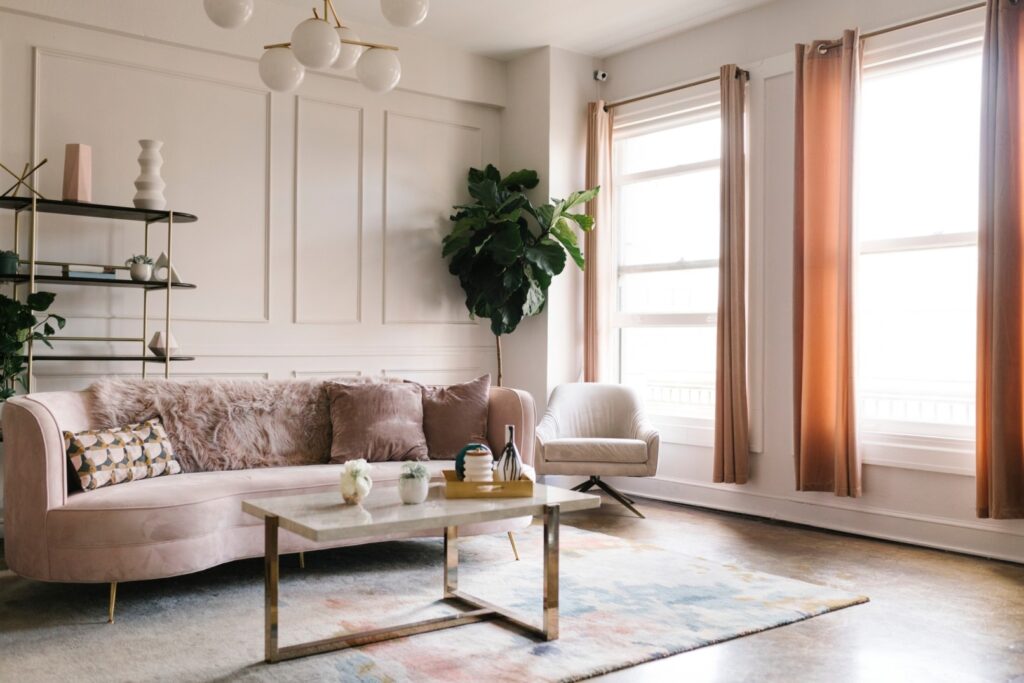
- Living Room: A well-designed living room combines comfort with visual appeal. A plush sectional sofa offers a place to relax, while a minimal coffee table and simple decor create a clean, modern look. Large windows welcome natural light, making the room feel open and uplifting. Personal touches like a table lamp, artwork, or a few well-chosen books add warmth. A soft rug or textured cushion brings harmony to the space, helping it feel complete without clutter.
- Kitchen: Open shelving keeps essentials within reach, encouraging ease in daily use. Sleek cabinets paired with updated appliances give the kitchen a fresh, organized appearance. Clear countertops contribute to a tidy, spacious feel, with only a few thoughtful items placed for function or style. Soft lighting paired with a unified color palette maintains a calm atmosphere. Small design choices like a tiled backsplash or metal hardware enhance utility while adding character.
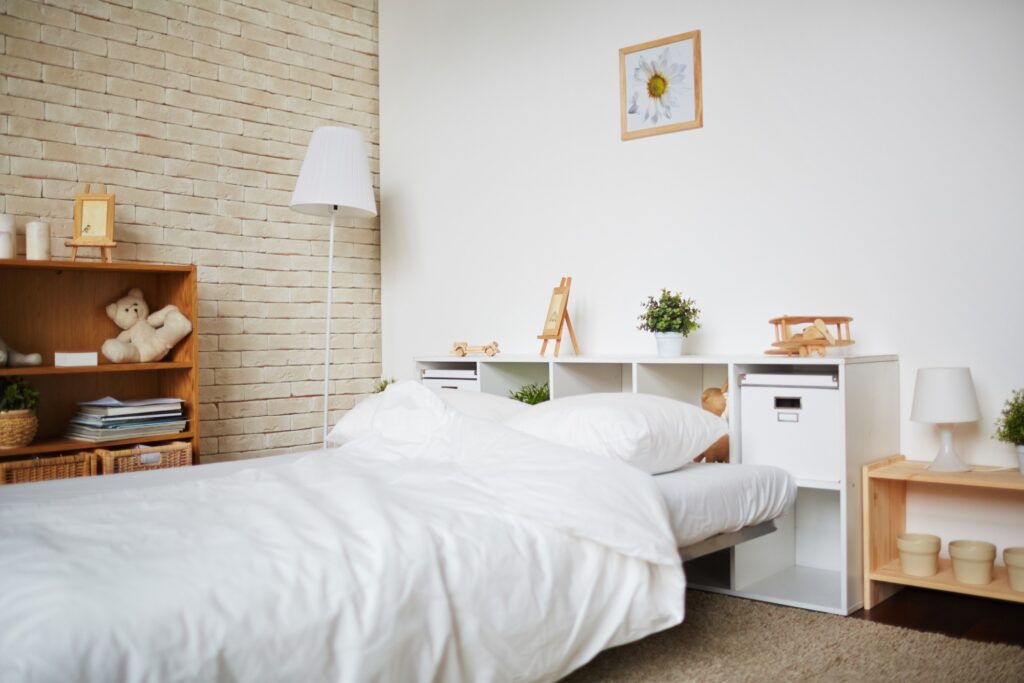
- Bedroom: A soft bed and simple furniture create a peaceful space. Light colors help the room feel quiet and calm. Storage like drawers under the bed helps keep things in order. Soft layers like blankets, cushions, and curtains make the room feel warm. A few personal items such as photos or scents make it feel like your own space.
6. Common Mistakes to Avoid
While balancing functionality and aesthetics is important, it’s equally essential to avoid some common design mistakes:

- Overcrowding a room: Filling a space with too much furniture or decor can make it feel cramped and hard to move around. It takes away from the room’s comfort and reduces usable space. A well-arranged room should feel open and serve its purpose with ease. Choose a few important pieces that are both useful and fit the space. This helps keep the room calm and easy to enjoy.
- Ignoring the layout and flow:A room can look great and still feel off if the layout does not support easy movement. Poor furniture placement or blocked paths can make the space hard to use. Always think about how people will move through the room. Plan the layout in a way that supports comfort and natural flow. A smart setup makes the room more welcoming and easier to live in.
- Prioritizing Looks Over Function: A space that focuses only on looks may not support daily life. A beautiful but uncomfortable sofa or open shelves with no real storage may lead to stress. A good design balances how a room looks with how it works. Each item should serve a real need while fitting the overall style. The space should feel good to use, not just to see.
- Overusing Bold Colors or Contrasts:Bright colors and strong patterns can bring life to a room, but too much can feel loud and confusing. Overuse may lead to visual stress and make the space hard to enjoy. To avoid this, pair bold elements with soft shades or smooth textures. Use strong colors in small amounts to add interest without overwhelming the space.
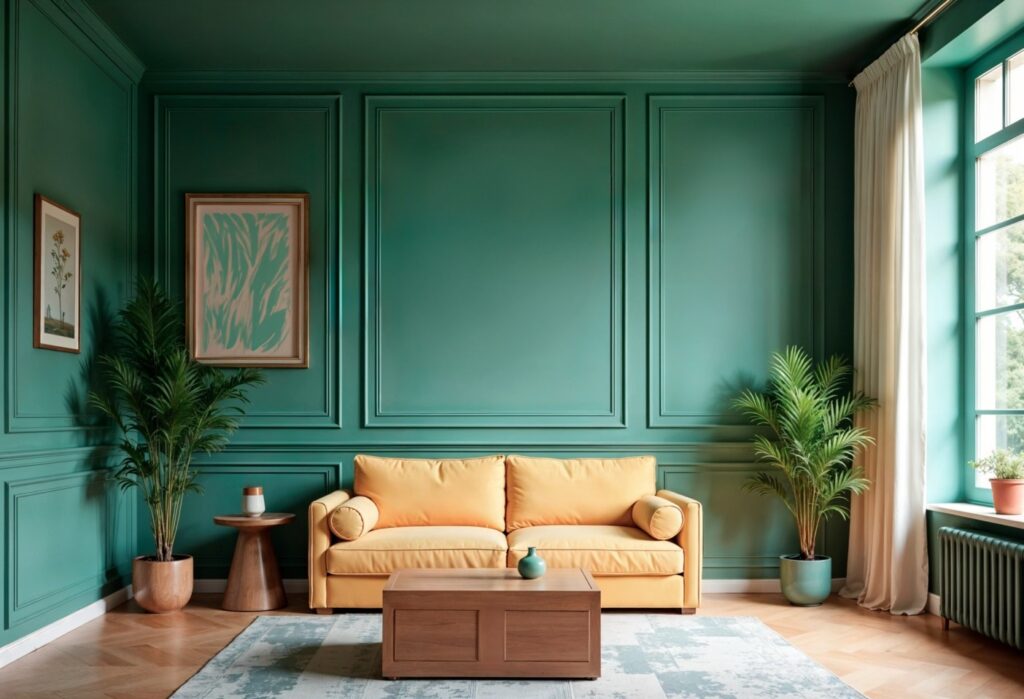
7. Design Fundamentals Recap
As we wrap up our discussion on balancing functionality and aesthetics in home interiors, it’s essential to revisit the fundamental design principles that create well-rounded, timeless spaces. These elements work together to bring cohesion, comfort, and personality to your home.
Space
Space forms the foundation of effective interior design. It influences how a room functions and shapes the experience within it. Good planning goes beyond fitting furniture into corners. It involves thoughtful placement that supports comfort, ease of movement, and clear purpose. Every zone should feel intentional, with enough room to move freely. Even compact areas can feel spacious when arranged with care, while larger rooms stay inviting through mindful setup. A balanced layout creates a sense of flow, making the environment feel open yet structured. When used wisely, space becomes more than square footage it becomes a tool for comfort, clarity, and visual harmony.
Lines
Lines influence how a space is viewed and experienced. They provide structure while guiding attention across different areas. Horizontal elements such as low furniture or extended shelving bring a sense of calm and stability, helping rooms feel wider and more grounded. Vertical features, like tall storage units or floor lamps, draw the eye upward, introducing a feeling of height and strength. Soft, curved forms found in round tables or arched details introduce warmth, making the space feel more inviting. Each line type contributes to the room’s character, supporting both visual flow and emotional tone. When applied thoughtfully, lines define zones, enhance proportion, and create a balanced atmosphere.
Form and shape
Form brings character into a room by adding structure or softness through shape. Simple forms like squares, rectangles, or triangles introduce a clean, organized feel that supports a modern look. Rounded or flowing shapes, on the other hand, create a more relaxed, natural atmosphere. Blending both creates harmony. For instance, pairing a round table with angular seating softens the edges while keeping the space visually balanced. This contrast adds energy without chaos, making the room feel thoughtful and full of personality. Each form plays a role in shaping not just how a space looks, but how it feels to live in.
Light
Lighting plays a key role in how a room looks and feels. Natural light makes spaces feel open, fresh, and bright. It can also change how colors and textures appear during the day. Good use of daylight helps rooms feel more alive and pleasant. Artificial light adds depth when used in layers. General lighting lights up the whole space. Task lighting helps with jobs like reading or cooking. Accent lighting draws attention to special parts like art or wall details. Using these types together makes the room more flexible and inviting. It allows you to change the mood and use of the space with ease.
Color
Color sets the tone and feeling of a space. It helps tie different parts of a home together and creates a smooth flow from one room to another. Neutral shades like beige, gray, and white bring a calm and steady look. They give a clean base that works well with other details. Bright and bold colors bring life & show personality. These colors can stand out and become the main point in a room. Using color in the right amount keeps the space balanced. Accent walls, cushions, or small decor items can add color without making the room feel too busy or too plain.
Texture
Texture adds depth and interest to a space. It makes a room feel warm, rich, and more complete. Mixing smooth, rough, soft, and shiny surfaces helps to create balance. For example, glass, stone, fabric, and metal each bring a different feel. A soft sofa next to a smooth marble table gives a nice contrast. These changes in surface keep the space from feeling dull. Texture not only pleases the eye but also invites touch. It helps the room feel more real, lived-in, and welcoming.
Patterns
Patterns add energy and character to a room. They bring movement and rhythm that make a space feel more alive. Simple patterns, like soft shapes on a rug or floral prints on cushions, add charm without feeling too strong. Bold stripes or large prints can become a main feature in the room. When used with care, patterns help tie different items together. They can also stand out and show personal style. The key is to keep the balance so the space feels lively but not too busy.
By understanding these basics, you can create interiors that are both aesthetics and functional. A well-designed space feels complete, supports your daily life, and reflects your personal style. With careful planning and attention to detail, your home can stay stylish, comfortable, and meaningful over time.
8. Conclusion: Achieving the Perfect Balance
Balancing functionality and aesthetics is the key to creating interiors that truly work and inspire. A home should support daily routines while reflecting personal taste with clarity and purpose. This balance is achieved through smart space planning, thoughtful furniture choices, and a clear understanding of design elements like light, form, and color. Each detail should serve a purpose, helping the space stay organized, comfortable, and visually appealing. Avoiding clutter, honoring the flow of movement, and staying mindful of both comfort and style lead to spaces that feel complete. A well-balanced home brings ease to everyday living while offering a sense of warmth, personality, and lasting value.